
Twenty-five years ago, patients sought out centers offering robotic surgery. Today, many seek centers offering single-port robotic expertise for “the hostile abdomen.” The Department of Urology at MUSC positions itself at this frontier.
Academic medicine faces unprecedented headwinds. Budget pressures from declining reimbursement. Workforce shortages amid physician burnout. Consolidation forcing departments to do more with less. The typical response: contraction, hiring freezes, program closures.
The Urology Department at MUSC is doing the opposite. The faculty is growing rapidly, clinical locations have expanded, and new programs have been launched – putting the institution in position to address regional, and national needs.
In Urology, few situations are more challenging than the “hostile abdomen” - patients with multiple prior abdominal or pelvic surgeries who develop dense adhesions that can turn routine procedures into technical nightmares. For these patients, a prostate cancer diagnosis often comes with devastating secondary news: traditional robotic surgery isn’t feasible.
Standard multi-arm robotic platforms, which revolutionized prostate surgery two decades ago, struggle in these difficult scenarios. The multiple ports required for traditional robotic arms create conflicts in scarred tissue planes. Surgeons often find themselves unable to achieve adequate visualization or instrument range of motion. Some procedures must be aborted mid-operation.
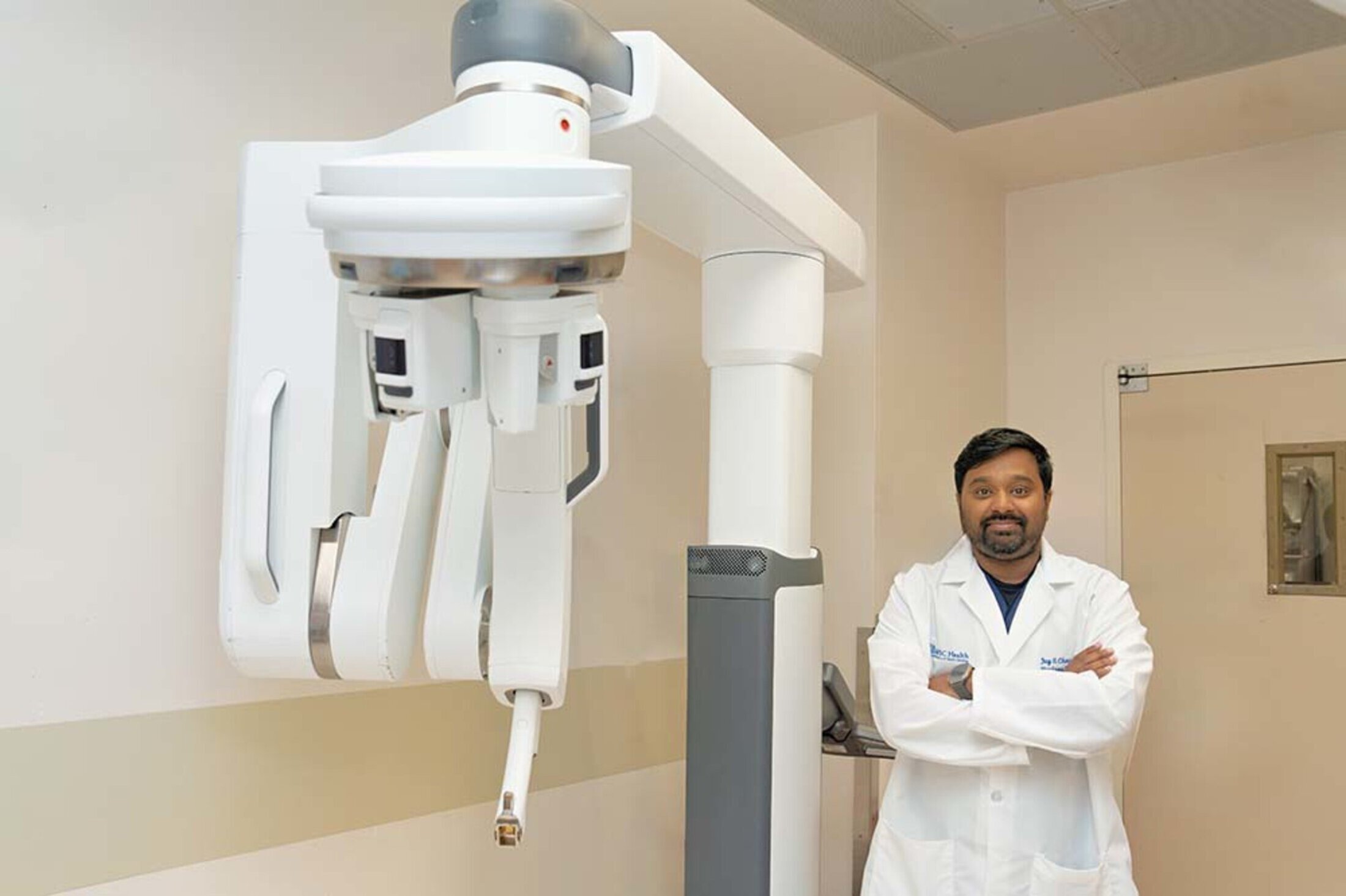
In response, The Department of Urology at MUSC is innovating the single-port robotic surgery program in the state, and across the region. This approach is transforming outcomes for prostate cancer patients previously deemed inoperable and training the next generation of surgeons to disseminate this expertise nationwide.
The single-port solution
By operating through one 2.5cm incision typically at the umbilicus, surgeons can navigate complex anatomy that defeats conventional approaches. The single access point allows four robotic arms and a camera to work in confined spaces where multiple ports would not be possible.This technology has made the department into a regional destination center. For example, a patient whose surgery was abandoned in Florida due to multiple prior operations, too much scarring, and a consensus judgment of “inoperable,” traveled to Charleston. Using single-port technique, MUSC Health surgeons successfully completed a radical prostatectomy that other centers had declined to attempt. The patient is now cancer-free with preserved function.
And they are not alone. Patients travel from across the Eastern United States, and much further, specifically for single-port prostatectomy when local surgeons have exhausted options.
Volume and outcomes
MUSC Urology’s cancer surgery volume reflects this technical capability. The department single port program performs over 100 major oncologic cases annually, enabling successful outcomes in patients others turn away.More importantly, complication rates for these complex cases remain comparable to standard robotic surgery, a testament to technical mastery rather than simply having equipment.
Training the next wave
Having advanced technology matters. Training surgeons to use it expertly matters more. MUSC Health’s fellowship program dedicates specific time to single-port techniques, ensuring graduates achieve competency before entering independent practice.This ability, and commitment to, exporting the expertise around this approach has real impact for patients regionally and nationally as surgeon across the nation are putting these new techniques into practice.
Simply put: South Carolina has many, many patients in need of urologic care. Better screening is needed. More access to services. Training excellent surgeons who disperse across the region helps to address these needs, and ultimately serves the MUSC Health mission better than hoarding expertise.
Why it matters: The hostile abdomen represents an extreme but instructive case. When academic centers develop solutions for the most challenging patients, they innovate techniques that benefit everyone. Single-port surgery’s reduced scarring and faster recovery apply to routine cases too.
More broadly, this program demonstrates what distinguishes destination centers: not just acquiring new technology, but mastering it sufficiently to tackle cases that others can’t. That distinction matters when physicians evaluate where to refer their most complex patients. This is what makes MUSC Urology different, and patients are the better for it.
Recent College of Medicine stories