
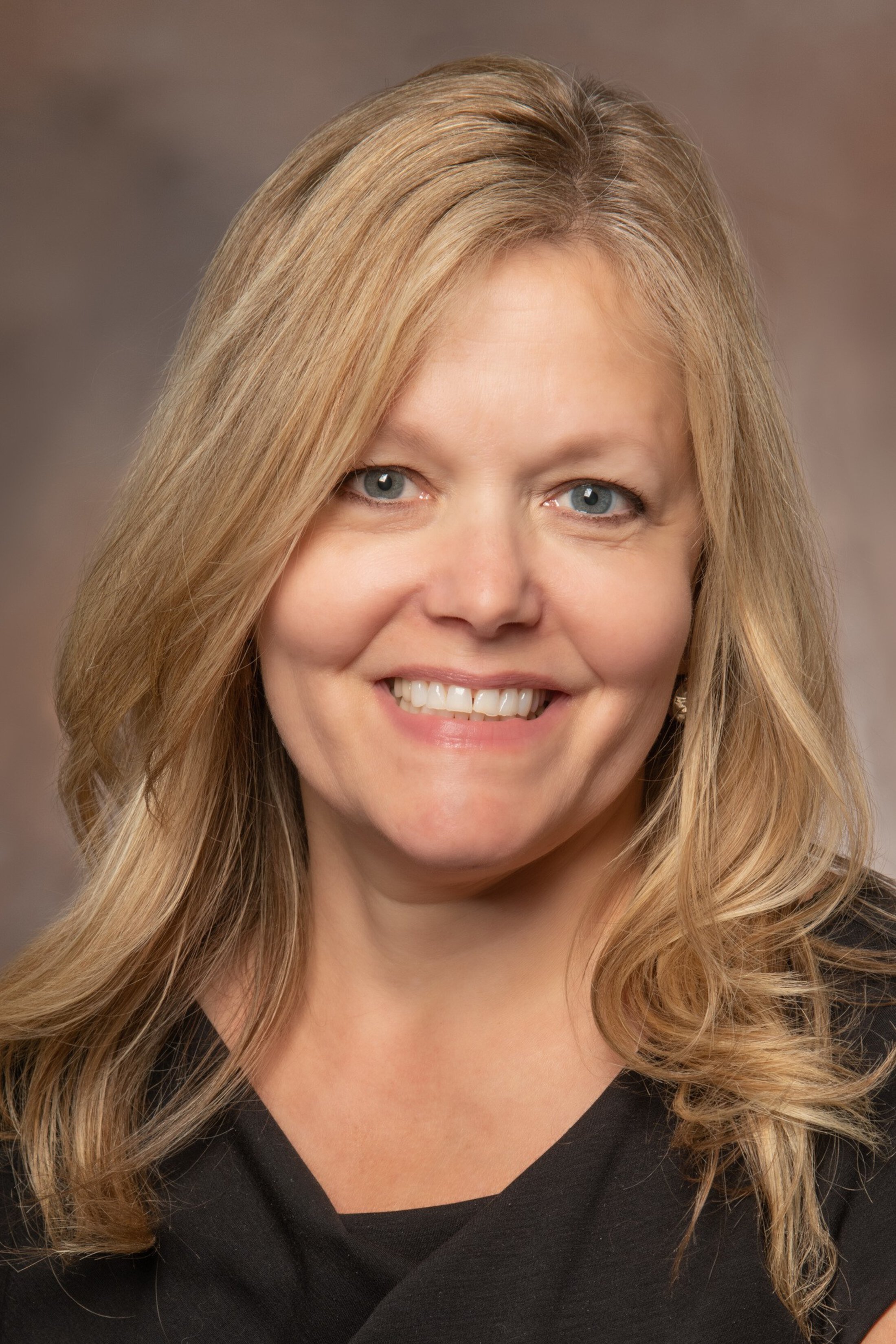
Terri L. Warholak, PhD, RPh, FAPhA, a nationally recognized leader in public service, medication safety, research and academic leadership, has been named dean of the Medical University of South Carolina (MUSC) College of Pharmacy. She will step into the role Oct. 1.
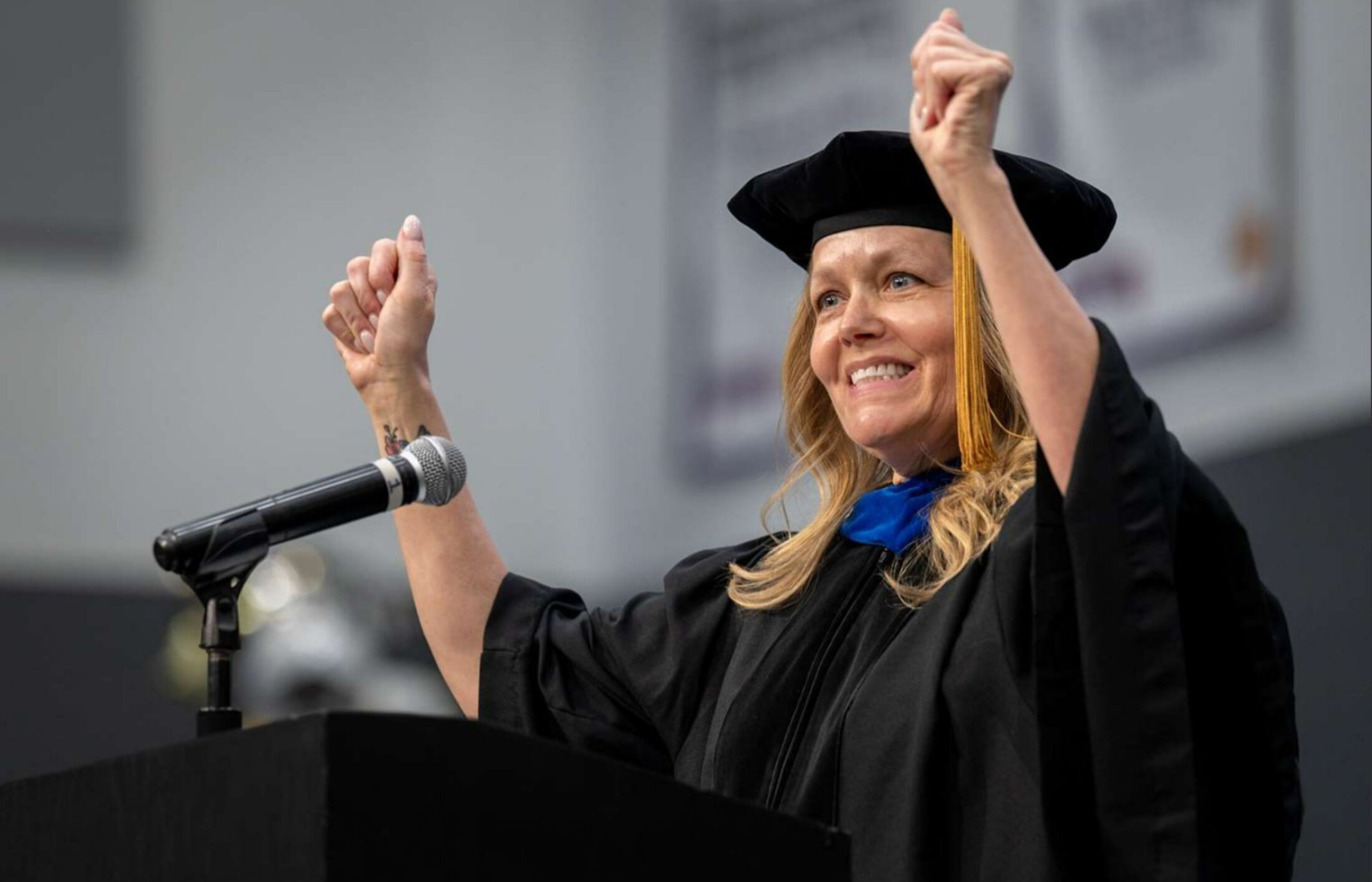
Warholak joins MUSC from the University of Health Sciences and Pharmacy in St. Louis, where she has served as dean of the St. Louis College of Pharmacy and professor since 2022. She succeeds Philip D. Hall, PharmD, FCCP, BCPS, BCOP, who announced plans to step down after 15 years as dean.
"The future of pharmacy will be shaped by leaders who can unite education, research and clinical practice around a clear purpose: improving lives," said John V. Marymont, MD, MBA, executive vice president for Academic Affairs and provost. "We found that leader in Dr. Warholak. She has the vision and record of results to elevate this college and position MUSC to define what comes next for the profession. I am confident she will lead the College of Pharmacy into an era of national distinction and greater impact for South Carolina."
For Warholak, MUSC offers a distinctive opportunity to connect pharmacy research and graduate education with MUSC Health to advance pharmacy practice and patient care.
"I'm really excited about the chance to build research and graduate programs," Warholak said. She also described MUSC Health as "a strong clinical partner."
The future of pharmacy will be shaped by leaders who can unite education, research and clinical practice around a clear purpose: improving lives. We found that leader in Dr. Warholak.
A career shaped by public service
Warholak's path to leadership began with an experience that changed how she saw the profession. As a Purdue University pharmacy student, she spent a summer with the Phoenix Area Indian Health Service, where pharmacists had access to patients' complete medical records and played an active role in evaluating medication safety.
"There I learned what the possibilities were for pharmacy," Warholak said.
The following summer, she worked with the U.S. Food and Drug Administration (FDA). After earning her pharmacy degree, she returned to Arizona as a commissioned officer in the U.S. Public Health Service (USPHS) and staff pharmacist at Phoenix Indian Medical Center (PIMC).
She later returned to Purdue, earning a master's degree and Doctor of Philosophy in pharmacy administration.
Turning quality improvement into action
Solving problems, measuring results and improving systems became a theme in Warholak's academic career. At Midwestern University's College of Pharmacy, she redesigned a quality and safety course around real problems identified by health professionals.
She carried that focus to the University of Arizona College of Pharmacy, where she spent 17 years and advanced to professor and assistant dean for Academic Affairs and Assessment, leading work in curriculum, assessment, accreditation, graduate education and research.
Warholak also helped develop Educating Pharmacists in Quality (EPIQ), a curriculum designed to prepare pharmacists and pharmacy students to improve quality of care. Her scholarship includes 180 peer-reviewed publications and work on projects representing more than $39 million in research funding, including approximately $4.7 million as principal investigator.
Her national service includes the FDA Drug Safety and Risk Management Advisory Committee and U.S. Pharmacopeia. She is an Accreditation Council for Pharmacy Education site reviewer and Fellow of the American Pharmacists Association (FAPhA).
Leadership with measurable impact
Since becoming dean of the St. Louis College of Pharmacy in 2022, Warholak has led efforts to strengthen culture, financial sustainability, alumni engagement and academic innovation.
Over three years, the percentage of graduating students who said they would choose the college again increased almost doubled. She improved college financial sustainability while tripling annual clinical service revenue. Alumni giving more than doubled from 2024 to 2025, while participation more than tripled.
Academic initiatives include the Fast Path to PharmD option, integrated degree pathways and career exploration spanning more than 100 pharmacy careers.
Building what comes next
At MUSC, Warholak sees opportunities in artificial intelligence, data science, pharmacogenomics and implementation science while supporting research growth through recruitment, mentorship, graduate and postdoctoral training and industry partnerships.
Her experience will be particularly relevant as the college prepares for the fall 2027 launch of Helix+, its redesigned PharmD curriculum. Warholak believes faculty should lead curriculum change and that integrated learning can connect science with clinical application.
A dean's major role is to fight for the college, the faculty, the staff, the students and the alumni. That's what I'm there to do, lift them up and make sure that they are successful.
She also brings a national perspective on building the workforce needed to serve patients. In Missouri, she helped create the Coalition to Move Pharmacy Forward, a statewide coalition bringing together pharmacy schools, professional associations, regulators and employers around the pharmacist pipeline.
"It becomes a patient safety problem if we don't have enough pharmacists," Warholak said.
For students, that means preparing for where pharmacy is going and the many ways pharmacists can lead. For faculty and staff, it means a dean focused on creating conditions for ambitious work. For alumni and industry partners, it creates opportunities to help shape the workforce, research and practice models the profession will need next.
Warholak views the deanship as an advocacy role centered on the people who make up the college and the communities they serve.
"A dean's major role is to fight for the college, the faculty, the staff, the students and the alumni," she said. "That's what I'm there to do, lift them up and make sure that they are successful."
Her public service background shapes her commitment to expanding medication access and working alongside communities to improve care.
"I love being a dean," Warholak said. "I love having the chance to leave something better than I found it."
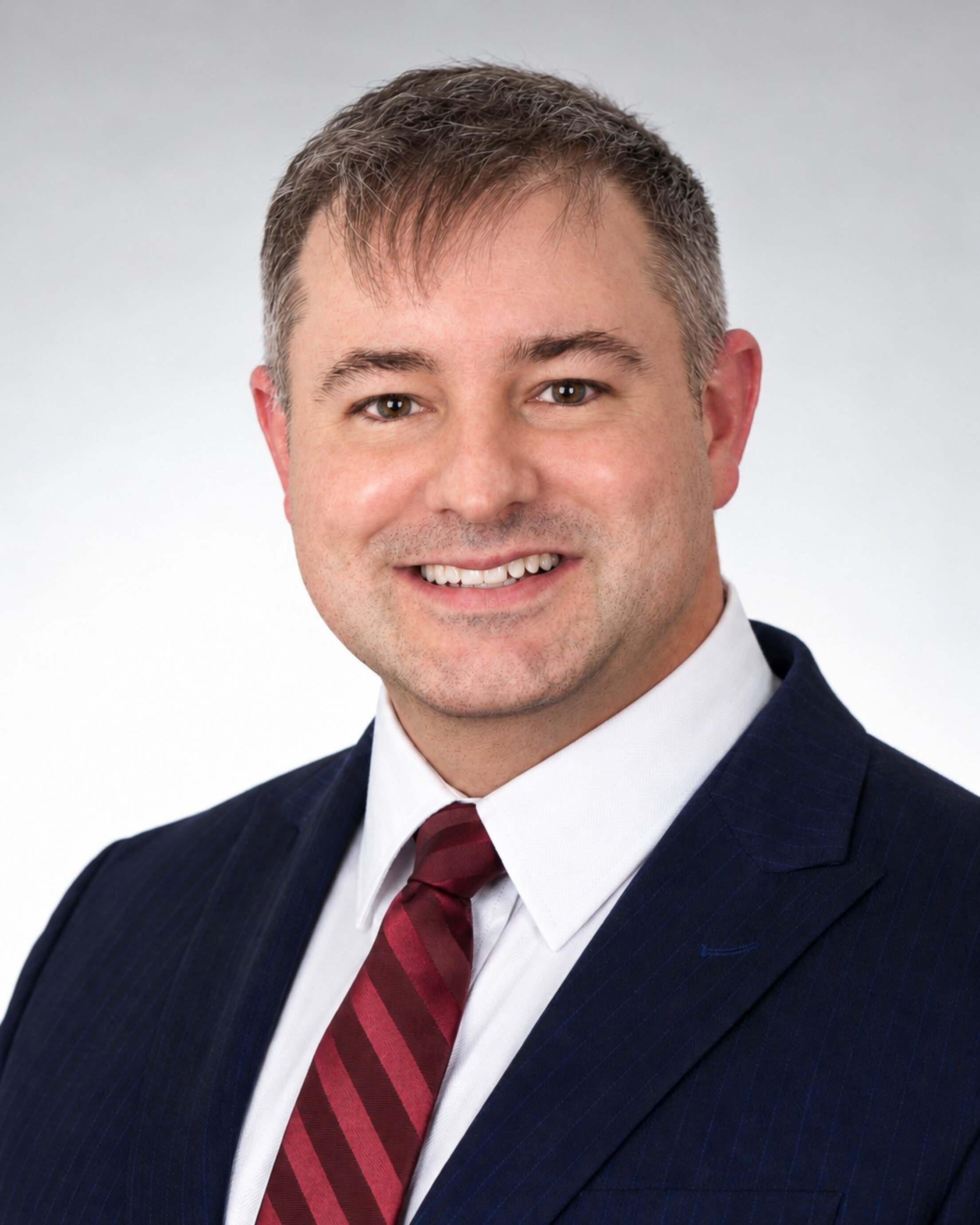
Mack H. Altman III
Assistant Provost for Strategic Initiatives & Communications University Digital Strategy Officer Executive Director, Office of Microcredentials
Mack H. Altman III, MSDA, serves as assistant provost for Strategic Initiatives & Communications at the Medical University of South Carolina (MUSC). In this role, he leads complex, high-impact initiatives that advance the priorities of the Provost and strengthen alignment across MUSC's academic enterprise. His work brings together executive coordination, stakeholder engagement, digital strategy, communications, marketing and operational discipline to help move strategic priorities from concept to implementation.
Altman has been charged with establishing MUSC's Office of Microcredentials, a university-level effort designed to expand access to flexible, workforce-aligned learning opportunities. Through this work, he is helping build the structure, standards, partnerships, and institutional coordination needed to support high-quality microcredential programs that respond to emerging needs across South Carolina's health sciences workforce. His approach reflects a commitment to connecting academic expertise with practical skill development in ways that serve learners, faculty, employers, and the communities MUSC supports.
Before advancing into higher education administration, Altman built more than two decades of experience in digital consulting, web development, technology strategy, data analytics, business development, and project management. His industry background includes founding and leading digital ventures, consulting with organizations on web and brand strategy, developing technology systems, guiding vendor relationships, and translating complex operational challenges into clear, actionable plans. That experience continues to shape his work at MUSC, where he focuses on building systems that improve access, usability, coordination, and long-term institutional effectiveness.
Altman holds a Master of Science in Data Analytics from Western Governors University and is pursuing a Doctor of Business Administration in Strategy & Innovation from Capella University. His academic and professional interests center on the ways strategy, technology, data, and communication can help academic health sciences institutions adapt to changing workforce needs while improving the learner's experience.
Recent Education stories