Global Health Impact Grant

The Global Health Impact Grant supports projects that catalyze novel ideas and collaborations and build a case for larger-scale or more expansive projects that advance global health education, training, implementation, and community engagement. The program is not limited to research and prioritizes activities that build sustainable capacity, expand educational opportunities, and strengthen bidirectional partnerships.

This funding is intended to catalyze new efforts and not intended to supplement projects already supported by other funding sources. Priority will be given to initiatives that strengthen long-term partnerships and demonstrate potential for sustained impact beyond the funding period.

2026 Impact Grant Awardees

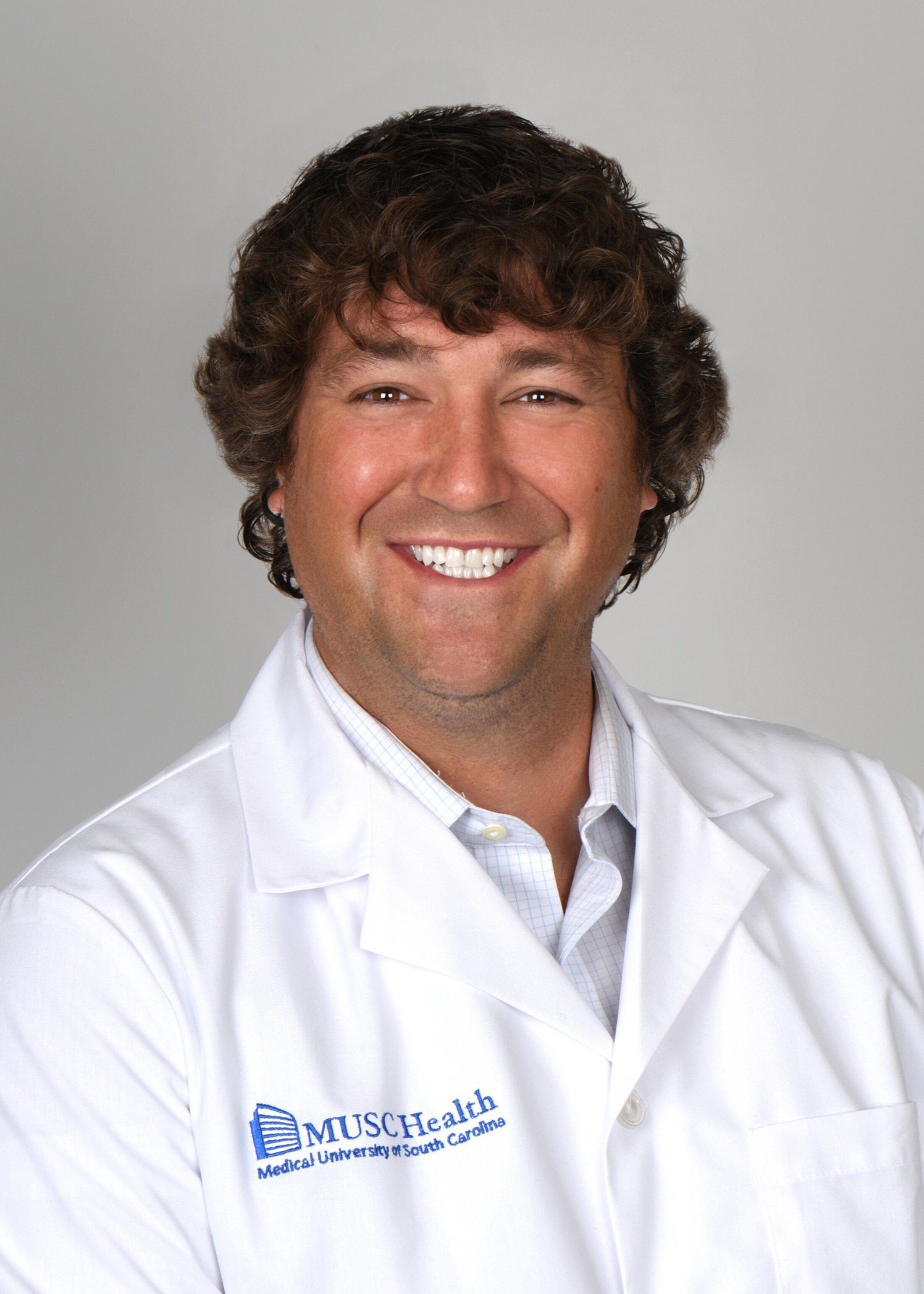
Cole Buchanan, M.D.

Assistant Professor, College of Medicine

Project Title: Peripartum Cardiomyopathy: Point of Care Cardiac Ultrasound Training and Education

Project Description: Diagnosis and management of peripartum cardiomyopathy has been identified as a priority for hospital leadership and the growing maternal fetal medicine (MFM) team at the Muhimbili National Hospital (MNH) in Dar es Salaam, Tanzania. Peripartum cardiomyopathy has a growing incidence at MNH and is associated with high maternal and fetal morbidity and mortality. While the MNH MFM team is tasked with managing patients with peripartum cardiomyopathy and other high-risk cardiac conditions in the vulnerable peripartum period, they are currently limited in their ability to obtain timely echocardiograms, thus delaying diagnosis and initiation of critical treatment. Our project aims to train MFM providers in cardiac point-of care ultrasound to improve the accuracy and timeliness of cardiac diagnoses in peripartum patients. Effectiveness of ultrasound training will be assessed through pre- and postimplementation examinations to evaluate provider knowledge, confidence, and perception of cardiac point-of-care ultrasound. Ultrasound training will be supplemented by a virtual multidisciplinary educational forum for case review and didactic education on peripartum management of high-risk cardiac conditions. Lastly, as an exploratory aim, MNH’s current peripartum patient registry will be reviewed to inform needs and future collaborative work between MUSC and MNH.

Buchanan

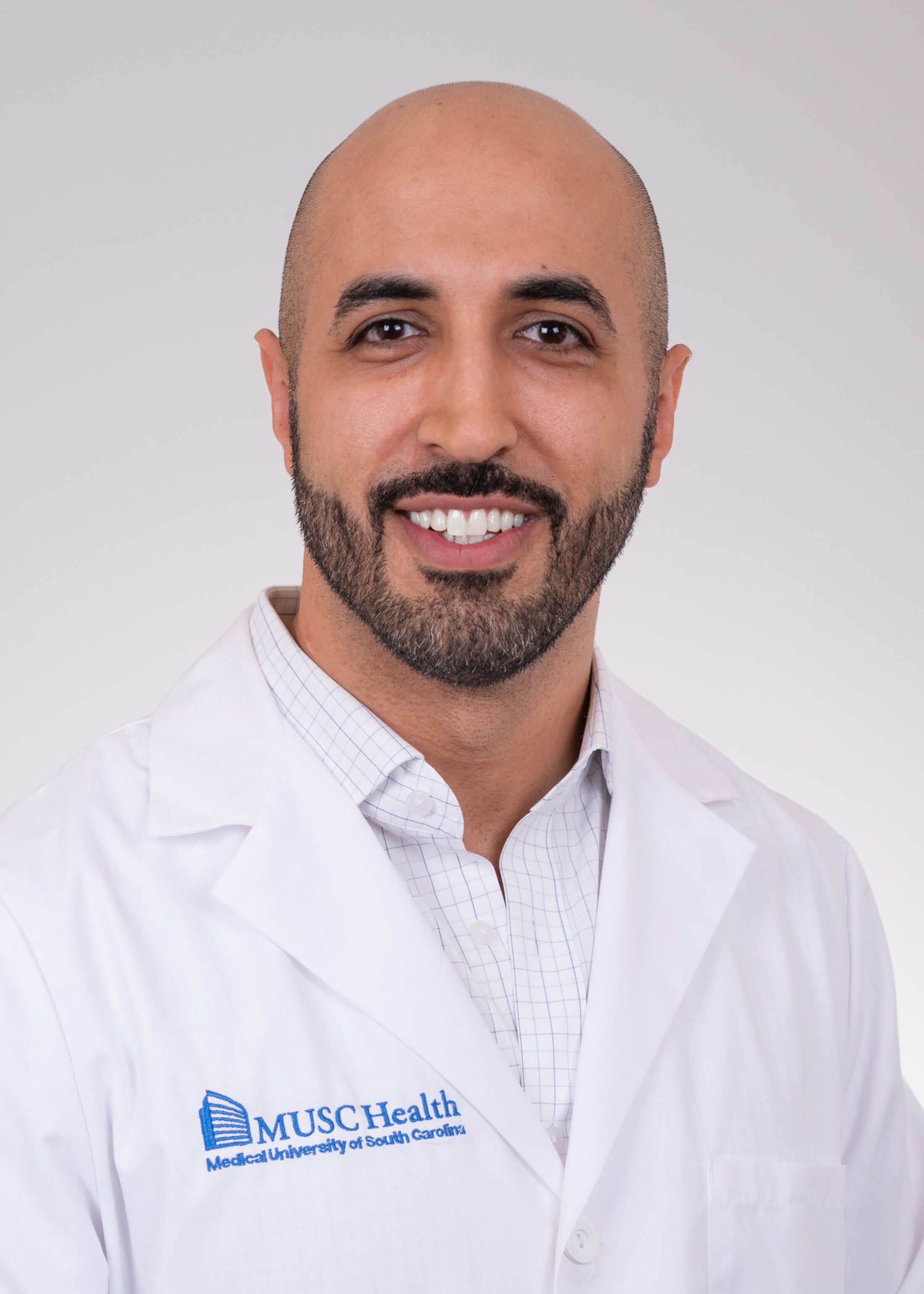
James Hill, OD

Associate Professor, College of Medicine

Project Title: Building Sustainable Low Vision Rehabilitation Capacity in Belize through Clinical Training and Education

Project Description: This project aims to strengthen sustainable low vision rehabilitation services in Belize through a collaborative training initiative between the Medical University of South Carolina and the Belize Council for the Visually Impaired (BCVI). Faculty from the Storm Eye Institute will deliver hands-on educational workshops, clinical mentorship, and capacity-building training for Belizean optometrists and rehabilitation specialists. Low vision rehabilitation (LVR) is a critical but underdeveloped component of eye care in Belize. This initiative focuses on improving provider education, increasing access to assistive technologies, and building sustainable local expertise so that individuals with visual impairment can maintain independence and quality of life. Unlike short-term medical missions, this program emphasizes knowledge transfer and long-term capacity building, enabling local clinicians to deliver expanded low vision services throughout Belize.

Hill

Kathryn Koval, M.D.

Assistant Professor, College of Medicine

Project Title: Every Second Counts: Building a Scalable Framework for Emergency Care in Rural Uganda

Project Description: Emergency medicine in Uganda and much of East Africa remains in its early stages of development. The burden of time-sensitive illness is high, yet most health facilities are not “emergency medicine ready” lacking the essential processes, supplies, equipment, and trained personnel required to provide life-saving interventions. Achieving emergency medicine readiness begins with a clear understanding of baseline capacity. The World Health Organization has endorsed the Emergency Care Assessment Tool (ECAT) and Hospital Emergency Assessment Tool (HEAT) evidence-based instruments designed to identify gaps in emergency care systems. Using a function-based approach, these tools assess deficiencies in staffing, equipment, processes, and clinical capability. However, while ECAT and HEAT effectively diagnose system weaknesses, they do not provide structured guidance for prioritizing or implementing improvements. As a result, frontline teams—particularly in rural and resource-limited settings—are left to independently translate gap analyses into actionable change.

This project aims to address this critical gap by developing a consensus-based implementation tool—the Emergency Care Implementation Tool (ECIT)—to support medical directors in translating ECAT-identified deficiencies into a phased, contextually appropriate emergency medicine readiness plan.

Koval

Mike Mallah, M.D.

Assistant Professor, College of Medicine

Project Title: Strengthening Bidirectional Surgical Education and Research Partnerships between MUSC and South Africa Through Faculty Engagement and Structured Collaboration

Project Description: An estimated five billion people worldwide lack access to safe, timely, and affordable surgical and anesthesia care, with the greatest unmet need in low- and middle-income countries (LMICs). Although global surgery partnerships have expanded, many remain short-term and unidirectional, limiting sustainability, equitable collaboration, and long-term capacity building. There is a critical need for structured, bidirectional partnerships that align training, research, and institutional priorities across collaborating sites. The Medical University of South Carolina (MUSC) Global Surgery Program has established a growing collaboration with George Hospital and Stellenbosch University in South Africa, including an ACGME-accredited general surgery rotation and joint research initiatives. This proposal seeks to strengthen and formalize this partnership through intentional faculty engagement, structured collaboration, and strategic planning. The overall objective is to develop a sustainable, multi-specialty, bidirectional global surgery partnership between MUSC and South African institutions. Aim 1 will expand cross-departmental engagement by supporting site visits from MUSC faculty in additional surgical specialties to assess feasibility and co-develop frameworks for new residency rotations. Aim 2 will formalize institutional partnerships through a structured, in-person strategic planning meeting to define shared goals, establish principles of reciprocity, and draft memoranda of understanding. Aim 3 will operationalize partnership outputs by developing an integrated partnership framework, executing institutional agreements, and establishing mechanisms for sustained collaboration.


Mallah

Award Requirements

Continue reading to learn more about submission instructions and requirements.

  1. Applicants must have a full-time faculty appointment of assistant, associate or full professor at MUSC. Those in “visiting” or “adjunct status” are not eligible.
  2. Only one application can be submitted per faculty lead.
  3. Projects must be co-designed and implemented with one or more partners from the foreign collaborating organization.*
  4. Address needs or priorities identified by collaborators in low- and middle-income countries (LMICs), as defined by the World Bank.*
  5. Demonstrate mutual learning, shared expertise, and reciprocal benefit for both MUSC and partner institutions or communities.
  6. Awards cannot be used for faculty salary support or indirect costs.
  7. Projects must be completed within 12 months of award.

* Consideration will also be given for domestic global health projects in U.S. overseas territories ( e.g.: Puerto Rico, Guam, Marshall Islands), as well as projects that address disadvantaged populations in the U.S. such as Native Americans, refugees, immigrants, undocumented persons and migrant workers.

Competitive applications will align with one or more of the following areas.

  1. Education, Training, and Capacity Building: Develop sustainable education, training, or workforce capacity initiatives that strengthen global health practice and demonstrate potential for long-term impact beyond the pilot. The following are a few examples.
    • Bidirectional training or capacity-building programs
    • Interprofessional experiential learning models that can be replicated or scaled across MUSC and partner
    • Strengthening systems, processes, or infrastructure that support global health delivery
  2. Research and Implementation Initiatives: Implement or adapt programs that address priority health needs and strengthen systems, services, or community outcomes. The following are a few examples.
    • Pilot implementation of research or programs addressing global health challenges
    • Community-engaged initiatives in global or underserved settings
    • Adaptation or translation of evidence-based practices across settings, including reciprocal innovation between LMIC and U.S. communities
  3. Innovative Models for Collaboration: Develop innovative and scalable approaches that enhance global collaboration and expand access to education, training, or care. The following are a few examples.
    • Telehealth, digital learning, or other technology-enabled approaches
    • Replicable models for global health education, training, or capacity building

  • A clear vision for measurable global health impact
  • Engagement of faculty across multiple colleges, departments, or units
  • Strong commitment and active participation from global partner(s)
  • A feasible plan for sustainability beyond the pilot funding period

All applications should include the following components and must be merged into one PDF.

Application Format: Arial 11-point font size, at least 0.5” margins, single space and numbered pages.

Submission Format: Combine all required elements into a single pdf document saved with the following naming convention: (current year) Global Health Faculty Impact Award – (applicant name) – (Proposal title). Submit via email to ellisk@musc.edu.

  1. Application cover page
  2. Abstract/Project Description (500 words max)
  3. Project/Research Proposal (5-page limit): The page limit excludes references, support letters and appendices.
    • Aims
    • Background/significance
    • Innovation
    • Approach
    • Timeline and anticipated challenges
    • Evidence & history of collaboration with partner institution
    • Anticipated outcomes and evaluation metrics
  4. Budget and Justification: All expenses must be directly related to proposed projects. Faculty salary support and indirect costs are not allowed.
  5. Letters of Support from 1) in-country collaborator and 2) MUSC Department Chair/Division Director.
  6. NIH Biosketch or CV for project lead and all collaborators

Funded projects will be required to undertake the following progress monitoring, reporting and communication activities:

  1. Present a final report by June 30, 2027, detailing activities completed, results, lessons learned, and next steps.
  2. Reference funding support from MUSC Center for Global Health in any related publications or presentations
  3. Work with the CGH team to highlight the implementation and impact of the funded project.

Please direct inquiries related to this funding announcement to:

Kathleen Ellis, Executive Director
MUSC Center for Global Health
ellisk@musc.edu

View the application (PDF)