Office of Microcredentials

Turning health sciences expertise into skills that move people, organizations and communities forward.

For more than 200 years, MUSC has advanced health sciences education, research and patient care. Today, it's building on that legacy by expanding access to high-quality, focused learning opportunities that strengthen the health sciences workforce in South Carolina and beyond through the Office of Microcredentials. As the enterprise's central office for microcredential development, administration and marketing, we bring together faculty, industry partners and institutional resources to develop programs that address critical skill gaps, respond to emerging workforce demands and support lifelong professional growth. Whether you're looking to share your expertise, develop your workforce or advance your career, we're here to connect you with opportunities that equip people with the skills to succeed, empower organizations to thrive and strengthen the communities they serve.

And we're just getting started. As we continue building MUSC's microcredential portfolio, you'll discover new learning opportunities, innovative collaborations and programs shaped by the evolving needs of the health sciences workforce.

Our Team

Meet the people who help turn your ideas into opportunities, connecting you with the guidance, expertise and resources to bring high-quality microcredentials to life.

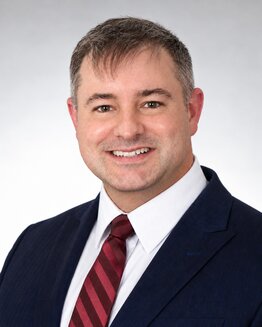
Mack H. Altman III, MSDA

Assistant Provost for Strategic Initiatives & Communications University Digital Strategy Officer Executive Director, Office of Microcredentials

Microcredential Advisory Committee

Bringing together expertise from across the enterprise, our committee helps shape a portfolio grounded in academic excellence, workforce relevance and meaningful collaboration.

Professional Portrait

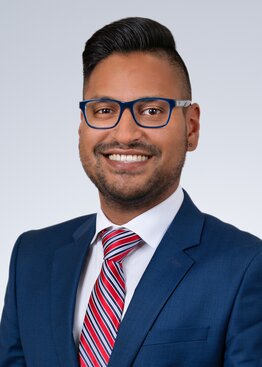
Ronnie Chatterjee, MPH

Director, Office of Institutional Effectiveness Assistant Professor, Academic Affairs Faculty

Ragan DuBose-Morris, Ph.D.

Professor, MUSC College of Health Professions Director of Education & Information Technology

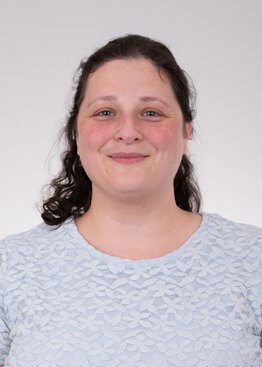
Lindsey Fuller

Educational Technology Consultant

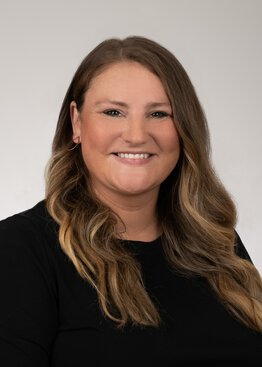
Lindsey Hamil

Donna Kern, M.D.

Associate Dean for Professional Identity Formation Assistant Dean for Patient Safety and Simulation Associate Professor, Family Medicine

Rachel Penrod-Martin, Ph.D.

Assistant Dean, Academic Affairs, College of Graduate Studies Director, Mouse Behavioral Phenotyping Core Associate Professor, Department of Neuroscience

Kristen McDaniel Posten, DNP, APRN, FNP-C, CHSE

Associate Professor & Associate Dean for Academics, College of Nursing

Alex Walters, EdD

Instructional Design Manager, Instructional Design & Technology Team

Frequently Asked Questions

A microcredential is a short, focused learning credential that verifies specific knowledge or skills you have demonstrated through assessment. Unlike a traditional degree, which provides a comprehensive education across a broader field of study, a microcredential concentrates on defined competencies you can develop for your career.

Academic certificates typically require a longer commitment, often consisting of three to six courses focused on a particular subject or professional field. Microcredentials, by comparison, generally involve fewer courses or shorter learning experiences, allowing you to develop targeted skills in less time.

At MUSC, microcredentials offer opportunities to expand your expertise, explore new career pathways, or respond to evolving workforce needs. They may carry academic credit or be offered without credit, depending on the program.

A microcredential recognizes the specific knowledge or skills you have demonstrated, while a digital badge serves as its electronic representation.

When you successfully complete a microcredential program, you receive a digital badge that you can share on professional networking platforms, include on your resume or add to your email signature. Your badge provides verifiable information about your achievement, which including the competencies you demonstrated, completion requirements and issuing institution.

Together, your microcredential and digital badge allow you to communicate your accomplishments to employers, colleagues and professional networks.

Yes, an MUSC microcredential may count toward an academic degree when it includes approved academic credit.

Some MUSC microcredentials may be designed as part of a stackable learning pathway, allowing you to build on previously completed learning. However, not every microcredential awards academic credit or applies toward a degree.

If you plan to pursue additional education, review the academic credit and degree applicability information for your chosen program. You should also consult the appropriate academic program to understand how your completed coursework may apply toward future study.

MUSC microcredential programs are designed to make high-quality health sciences education accessible to a broad range of learners, including working professionals, students, alumni and individuals with no previous affiliation with MUSC.

Whether you're looking to advance your career, develop new skills, explore a different professional path or pursue a personal interest, you can find learning opportunities that support your goals.

Each microcredential program has its own eligibility requirements and prerequisites. You can find details about who can enroll and how to get started on each program's webpage. Credit-bearing programs may also require admission to MUSC as a degree-seeking or non-degree-seeking student.

Explore MUSC's microcredential programs to discover opportunities that align with your interests and aspirations.

MUSC faculty can propose new microcredential programs by submitting an application to the Office of Microcredentials. Whether you want to share your expertise, address an emerging workforce need or expand an existing educational offering, you can develop a program individually or collaborate with colleagues across disciplines.

Your proposed program must have the support of an MUSC sponsoring unit and meet the university's academic and institutional requirements. The Office of Microcredentials will guide you through the application, review and approval process.

If you have an idea but aren't sure where to begin, you don't need to have everything figured out before reaching out. Contact the Office of Microcredentials to explore your idea and learn how to get started.

Start by contacting the MUSC Office of Microcredentials. You do not need a completed curriculum or fully developed proposal to begin the conversation.

Share your idea, the audience you hope to reach and the knowledge or skills you want learners to gain. Your idea might come from an emerging professional need, an existing educational activity or an opportunity to share your expertise with a broader audience.

The Office of Microcredentials can help you evaluate your idea, understand program requirements and identify the resources needed to move forward.

Ready to explore your idea? Contact microcredentials@musc.edu to start the conversation.