
Antimicrobial resistance is a global healthcare challenge, but its consequences are particularly significant for health systems working with limited resources. As bacteria and other microorganisms become resistant to the medications used to treat infections, clinicians can face fewer effective treatment options, creating additional burdens for patients and health systems worldwide.
For Krutika Hornback, PharmD, the challenge has also been shaped by personal experience. Born and raised in India, Hornback has long been interested in global health and the ways differences in resources and health care infrastructure affect patients and clinicians.
Now, as infectious diseases and antimicrobial stewardship clinical pharmacy specialist at MUSC Health and as an affiliate assistant professor in the MUSC College of Pharmacy and an, Hornback is putting that perspective into practice through a collaboration with Muhimbili National Hospital (MNH) in Dar es Salaam, Tanzania.
Hornback is the principal investigator of SMART-AMR, short for Surveillance, Mitigation, and Research Training for Antimicrobial Resistance, along with co-investigator, Laura Ehrenberger, PharmD, also an MUSC Health infectious diseases and antimicrobial stewardship clinical pharmacy specialist and an affiliate assistant professor in the MUSC College of Pharmacy. They received a $20,000 MUSC Center for Global Health Faculty Pilot Research Grant to support the work seeking to build the foundation for a sustainable antimicrobial stewardship program at MNH, Tanzania's national hospital.
Rather than attempting to address every aspect of antimicrobial resistance at once, the team begins with two targeted interventions: improving antibiotic use around surgery and increasing appropriate transitions from intravenous to oral antibiotics. The goal is to create practices and infrastructure that MNH can sustain independently.
“We have a limited stock of antimicrobials, and the bacteria and other organisms are gaining resistance,” Hornback said. “Unfortunately, it's not siloed in specific countries because people travel, and organisms travel with them.”
Global health was such a big part of my training. I would love for other people to have similar experiences.
Listening first: How local priorities shaped the project
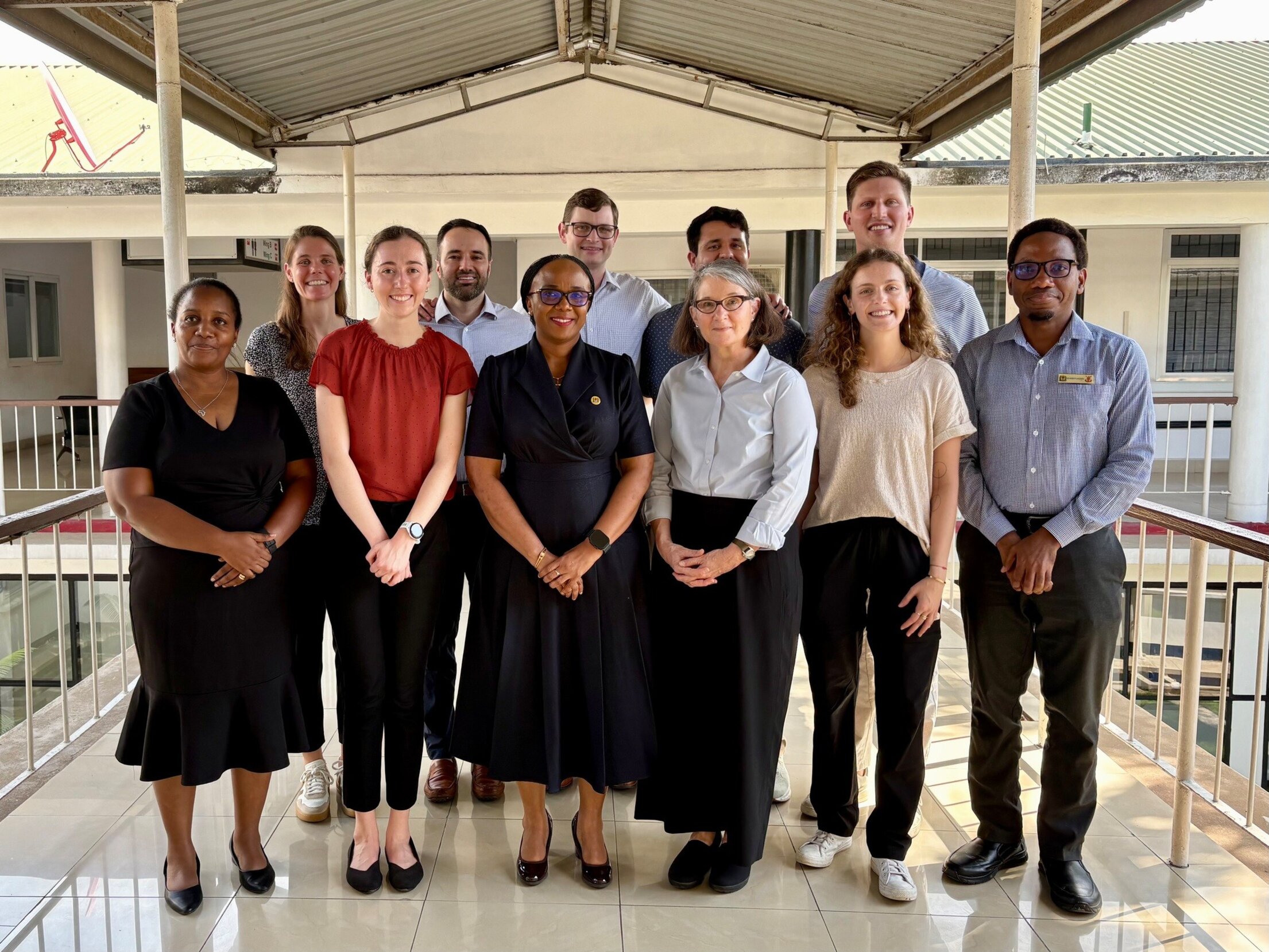
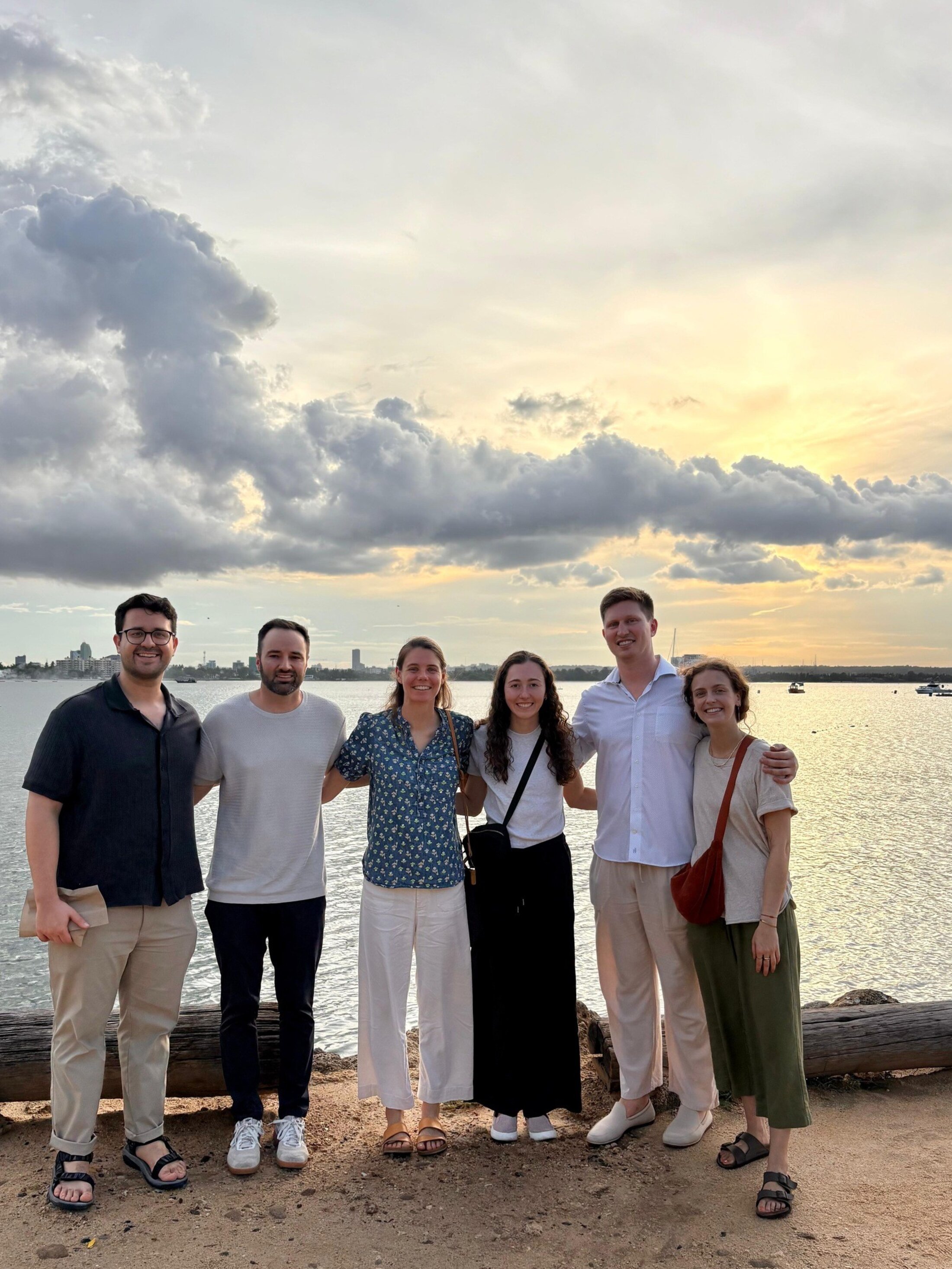
Through SMART-AMR, Hornback and team are building on a long-standing institutional relationship between MUSC and MNH. Before selecting the project’s initial interventions, the MUSC team discussed the hospital's needs with local clinicians and reviewed preliminary data on antimicrobial use. Ehrenberger traveled to Tanzania in the spring, meeting with MNH clinicians to begin collecting data on antimicrobial use around surgery.
Those discussions and preliminary data pointed to two areas where focused interventions could produce measurable improvements. The first was surgical antimicrobial prophylaxis. Antibiotics are often appropriately given around surgery to prevent infections, but the choice of medication, timing and duration all matter. Preliminary data indicated that broad-spectrum antibiotics were often continued for extended periods following surgery.
The next initiative they plan to address is intravenous (IV)-to-oral antibiotic conversion. When clinically appropriate, transitioning patients from IV to oral antibiotics can reduce costs, simplify treatment and eliminate risks associated with maintaining an IV line.
“We identified those as key initiatives that we thought were measurable and attainable in the short term to make a really big impact to start off with,” Ehrenberger said.
Creating sustainable systems for safer antibiotic use
A central challenge in antimicrobial stewardship is creating systems that help clinicians consistently make evidence-based decisions. At highly resourced health systems, those systems can include institutional guidelines, quality measures and other safeguards that establish expectations for appropriate antibiotic selection, timing and duration.
SMART-AMR seeks to help establish similar structures at MNH while ensuring that interventions are appropriate for the hospital's own clinical environment and resources. The team will assist in development of an institutional surgical prophylaxis guideline and an IV-to-oral transition protocol, followed by education for physicians, pharmacists and other providers. Researchers will then compare antimicrobial use before and after implementation.
The objective is not simply to produce research findings. It is to create tools and processes that local clinicians can continue using long after the pilot project concludes.
A partnership designed to last
Sustainability is central to the project’s design. A visiting team may support initial data collection, education or protocol development, but lasting progress depends on tools and expertise that remain within the partner institution. For the team, the long-term vision is for clinicians at MNH to lead and sustain the work. Ehrenberger said the engagement of MNH clinicians has been essential to the project’s early development.
“We want to strive to be at a place where they don't need our oversight,” said Hornback.
Ehrenberger shares that goal. “You have to make small interventions and help them sustain that throughout the year.”
That approach also reflects the collaborative nature of the project.
Shaping the next generation
Both Hornback and Ehrenberger bring previous international experiences to the project. Ehrenberger completed an infectious diseases clinical rotation in Cape Town, South Africa, while Hornback participated in a global health rotation in Nicaragua during pharmacy school.
Those experiences have shaped how they approach work in resource-limited settings.
Hornback cautions against viewing global health as an opportunity to simply export U.S. health care practices. Instead, she said clinicians should first understand the local environment and work with local partners to identify sustainable solutions.
That philosophy extends to education. SMART-AMR is intended to create future opportunities for MUSC students, residents and fellows to participate in global health experiences at MNH.
“Global health was such a big part of my training,” Ehrenberger said. “I would love for other people to have similar experiences.”
Hornback hopes those experiences will help trainees develop not only clinical skills, but also a deeper understanding of the global nature of health care. “It's a very eye-opening experience,” Hornback said.
From pilot project to long-term stewardship program
The pilot grant represents the first phase of a broader vision.
The team has collected baseline data, begun analyzing surgical antimicrobial use and continued discussions with MNH colleagues about education and additional interventions. Ehrenberger is also preparing to present preliminary findings at IDWeek, a national annual meeting of infectious diseases experts, in late October.
Long term, the team hopes to expand SMART-AMR into a comprehensive antimicrobial stewardship program addressing leadership, accountability, pharmacy expertise, clinical action, tracking, reporting and education.
For MNH, success could mean improved antimicrobial use and fewer unnecessary exposures to broad-spectrum antibiotics. For MUSC, it could also mean new opportunities for education, research and collaboration.
But the investigators emphasize that success does not require a dramatic transformation overnight.
“I think even small strides or something as small as just educating the local physicians can really have a really big outcome or impact in terms of their antimicrobial use,” Ehrenberger said.
For Hornback, the $20,000 pilot award provides an opportunity to turn an identified need into a sustainable partnership, one that can seek to grow beyond the initial project and, ultimately, empower local clinicians to lead the work themselves.
“I'm really hoping that we are able to turn some corner for Muhimbili as far as their surgical practices go,” Hornback said.
The first steps may be modest: a new guideline, an educational session, a more appropriate antibiotic choice, or a transition from IV to oral therapy.
But each represents progress toward a larger goal: strengthening global antimicrobial stewardship while building a lasting partnership between MUSC and MNH.
Adam Wise
Communications Manager, Center for Global Health
Recent Center for Global Health stories