
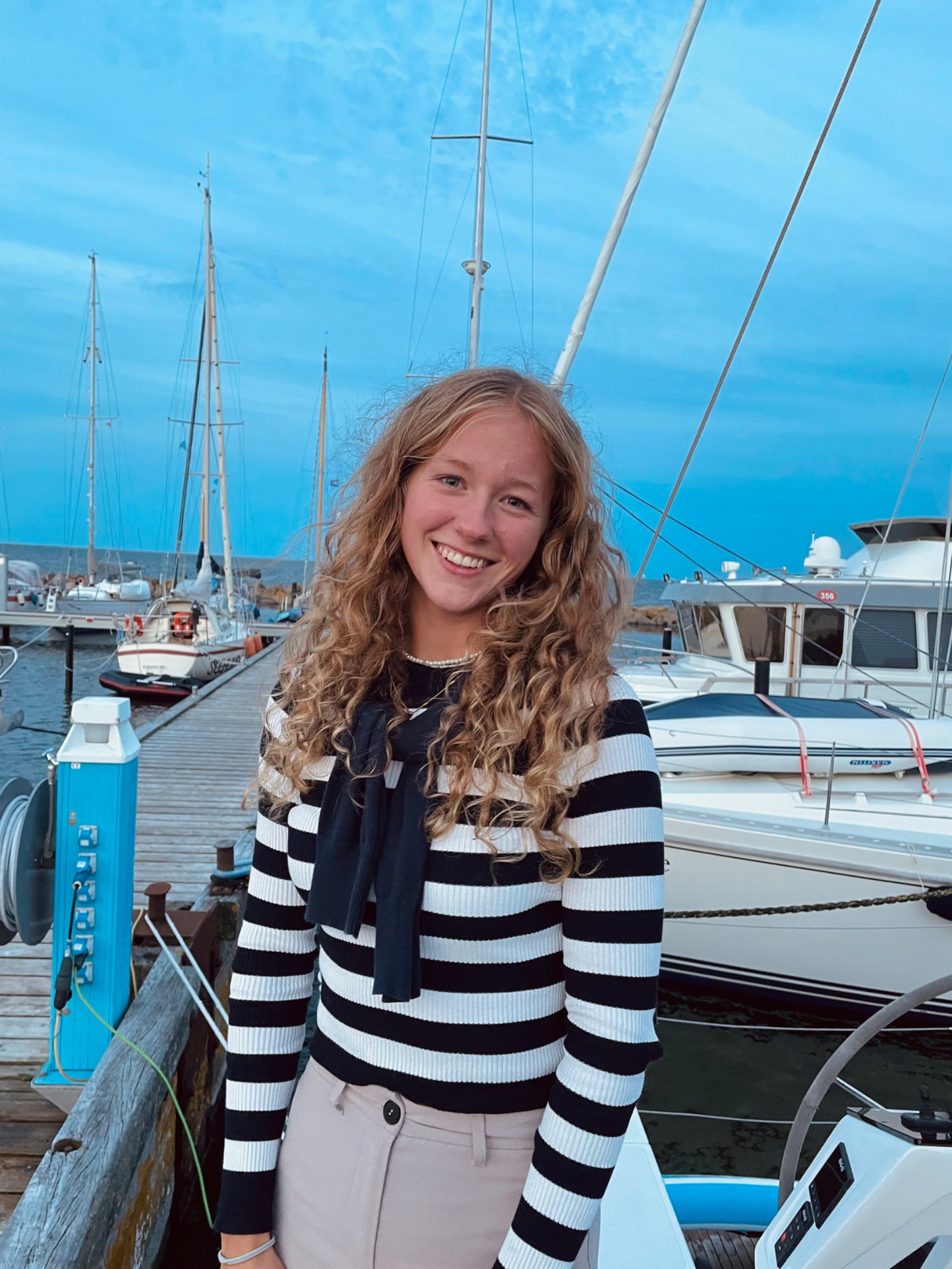
For most of her life, Marit Reckmann could count on the water.
Growing up in a small German town of roughly 6,000 people, swimming was more than a sport. It was where she found friends, discovered an incredible talent and learned how to shut off all of the noise affecting her in other areas of her life.
“If I had school stress, if I had any kind of stress, I would still usually go to practice,” Reckmann said. “When I was in the water, I felt like I could completely shut off.”
Eventually, the sport would do much more than provide an escape. Competitive swimming helped take Reckmann across the Atlantic and into an American college. It gave her a community thousands of miles from home. And it helped set in motion a journey that has now brought her to Charleston, where she is beginning a Ph.D. program at MUSC and exploring a future in cancer research.
For Reckmann, swimming and science may appear to occupy very different worlds. But both have demanded many of the same things: discipline, perseverance and a willingness to keep moving forward when the destination is not entirely clear.
Now, as a first-year student at MUSC, those qualities are already getting noticed.
“Even in the short time she has been in the lab, Marit has already demonstrated many of the qualities needed to become a successful scientist,” said Tim Barnoud, Ph.D., an MUSC faculty member whose laboratory Reckmann joined for her first research rotation. “She is passionate about her research, takes ownership of her project, and has shown a strong work ethic.”
A talent that opened a door
Athletics was part of Reckmann’s life almost from the beginning.
One of four children, she grew up with athletic parents and tried a variety of sports. She and her younger sister, who now competes in collegiate triathlon in the United States, both began as swimmers.
Reckmann even briefly tried triathlon herself.
“I hated running, so I stopped again,” she said, laughing. “I stuck with swimming. That was definitely my forte.”
It proved to be a good decision.
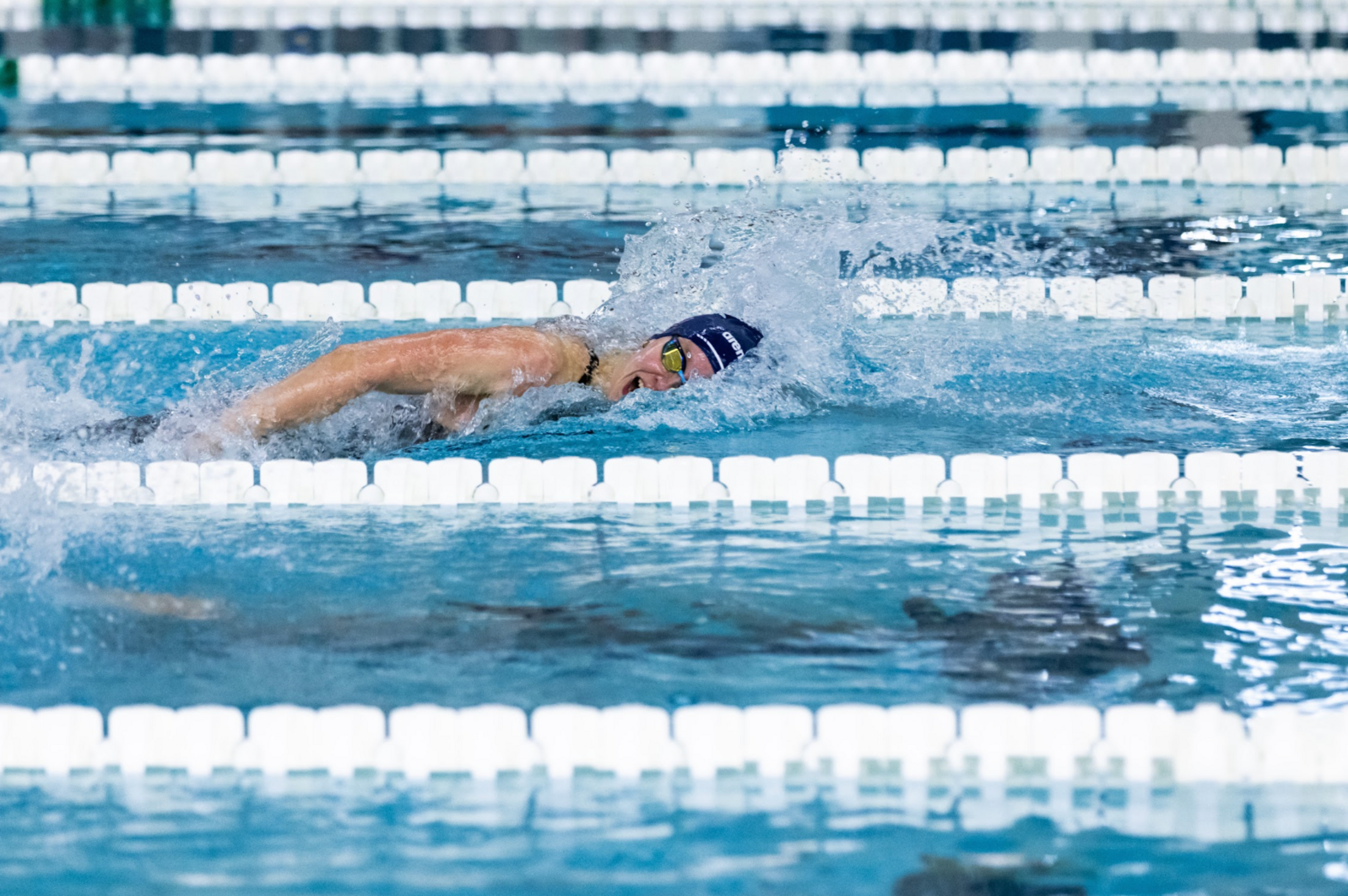
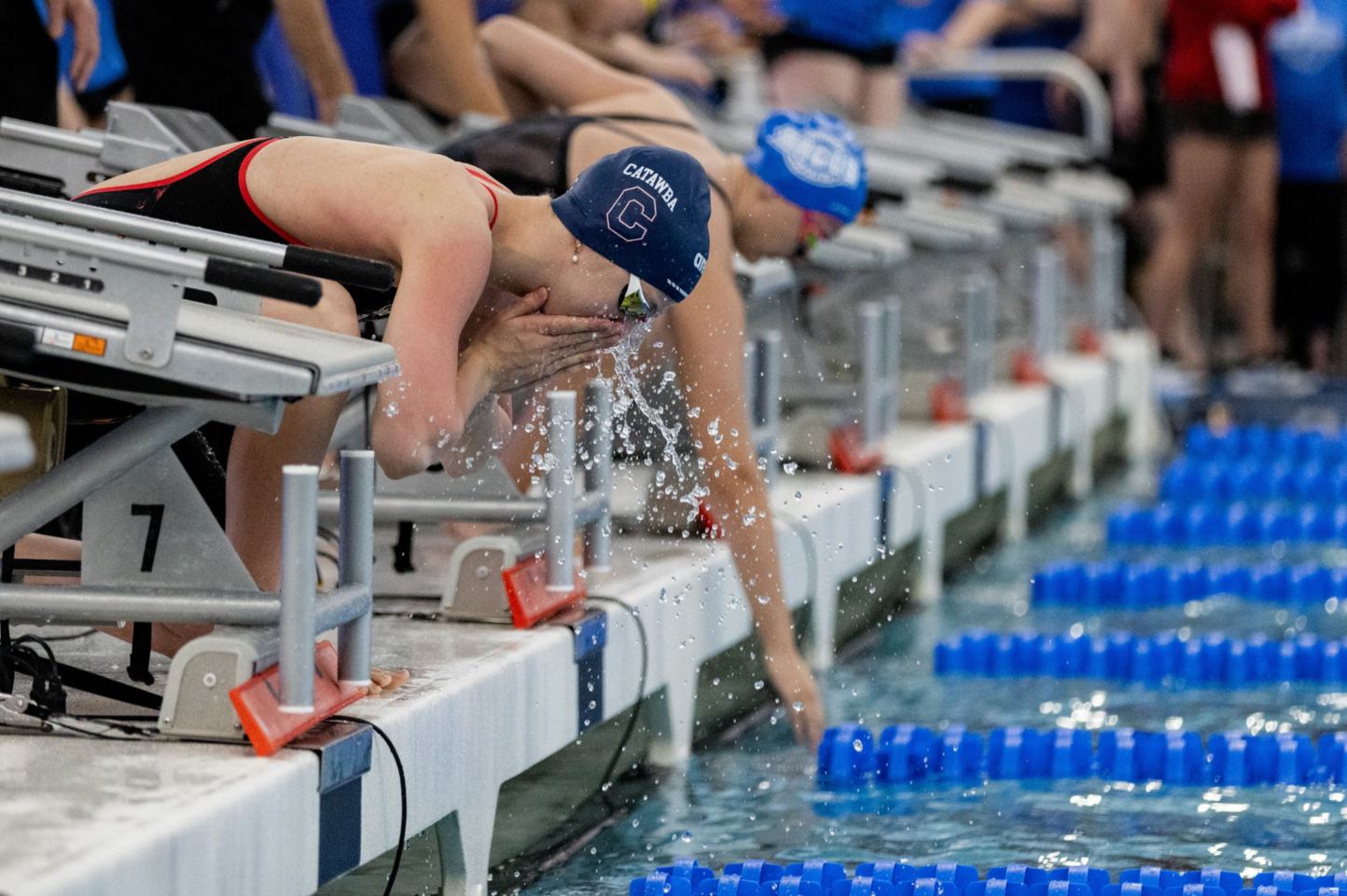
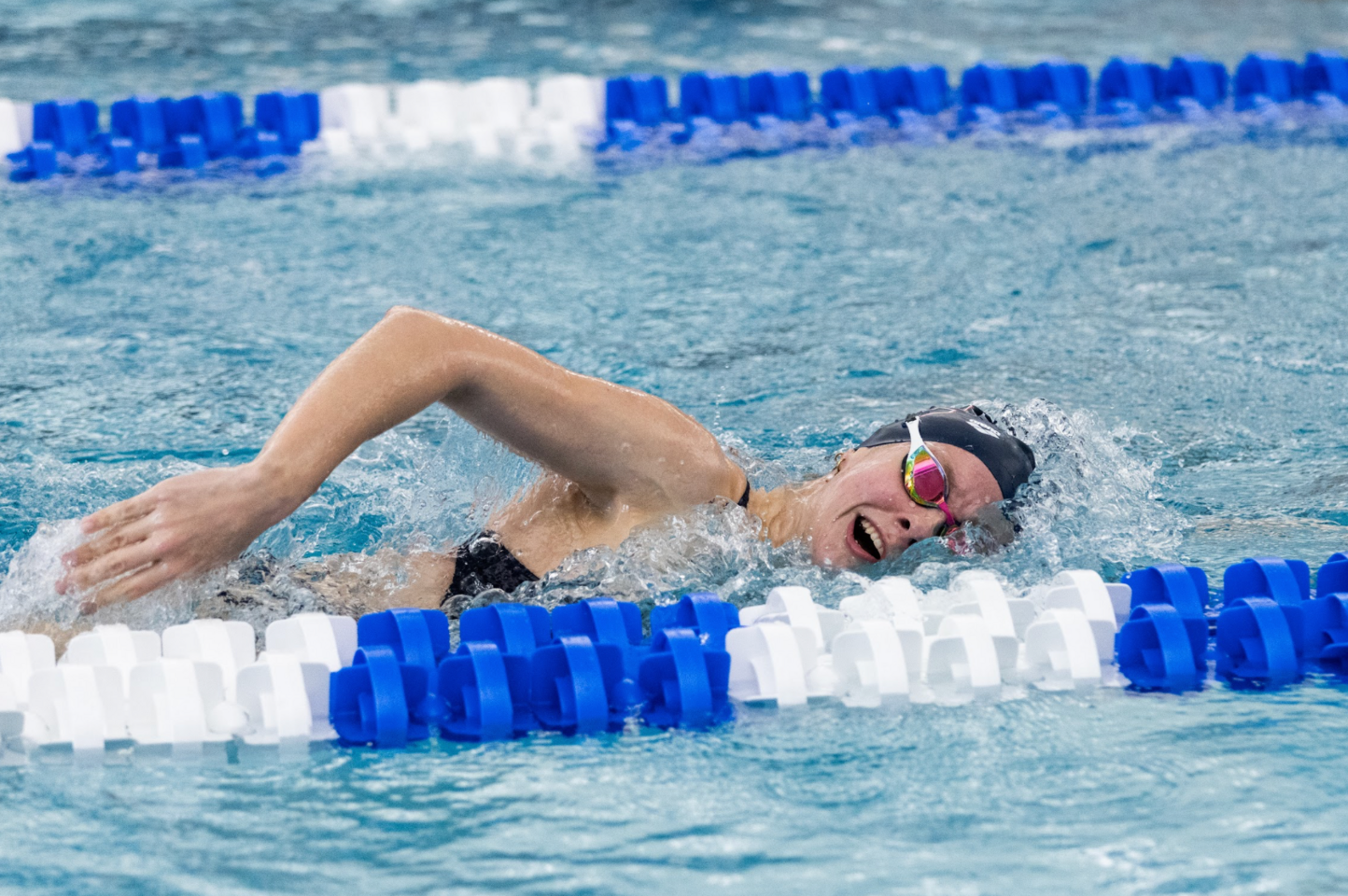
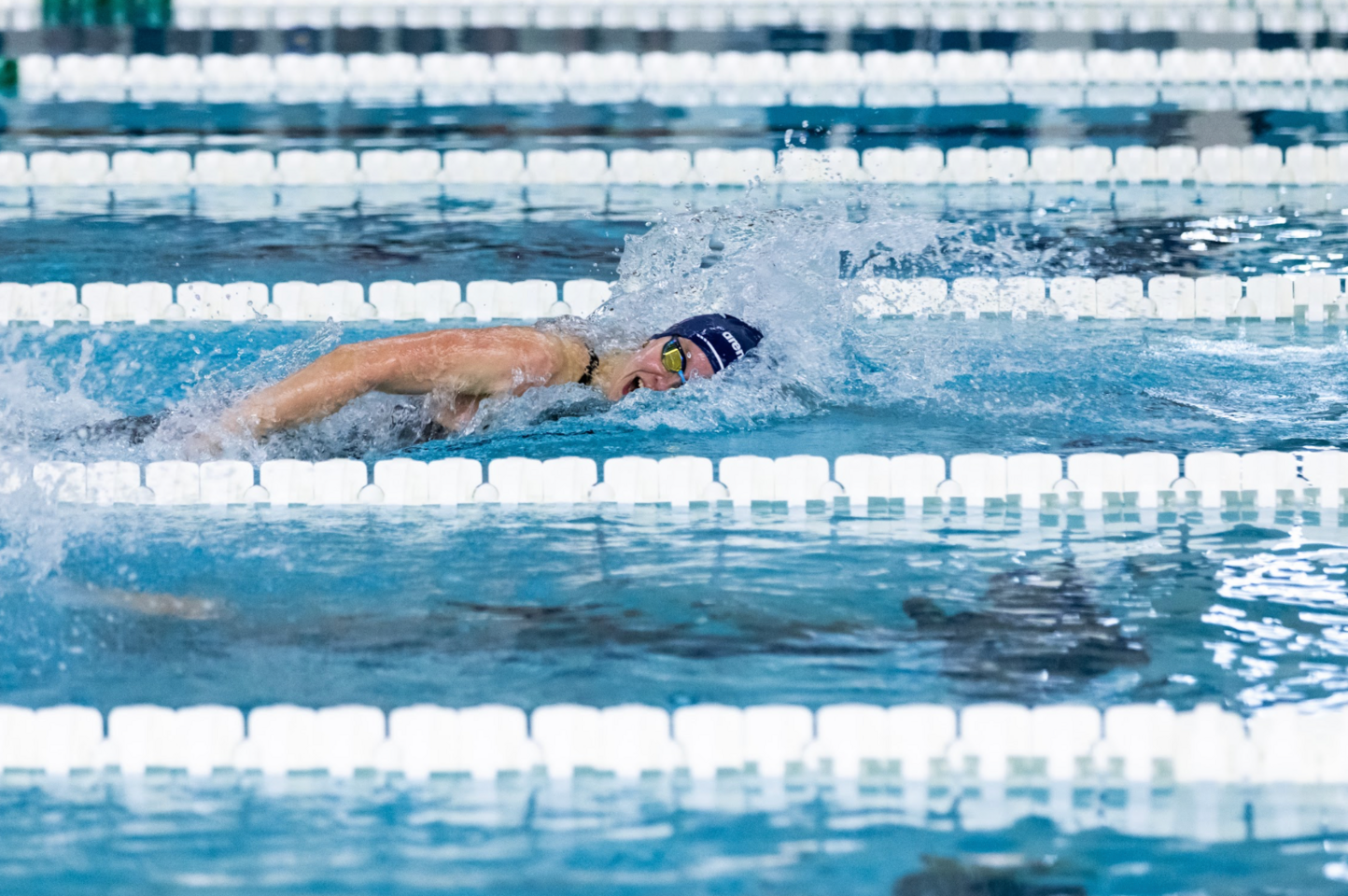
Reckmann developed into a sprint freestyle specialist, with the 100-yard freestyle becoming her primary event. During her collegiate career at Catawba College in Salisbury, North Carolina, she set school records, some of which still bore her name when she graduated.
But her path to Catawba began thousands of miles away.
Reckmann graduated from high school in Germany in 2022. At the time, she assumed her future would lead to medical school in her home country. First, though, she wanted a gap year.
She had one destination in mind.
“I always knew I wanted to go back” to the United States, Reckmann said.
America was not entirely unfamiliar. Her family had lived in Texas for two years because of her father’s work when Reckmann was a young child. After returning to Germany at age 5, she grew up in her home country.
Initially, she envisioned her return to America as temporary. Then she and her parents began thinking about what swimming could make possible.
They saw potential in her swimming abilities and wanted to explore whether her talent could help her gain admission to a college and fund her stay in the United States.
Through an organization that connects international athletes with American colleges, Reckmann created a profile featuring her swimming times and race footage. Coaches could evaluate her performances and contact her about opportunities.
Catawba was among the programs that reached out, and its coaches remained in consistent contact throughout the recruiting process.
The result was an opportunity that combined academics and athletics. In addition to a merit scholarship, Reckmann received a swimming scholarship.
The demands of collegiate swimming never came at the expense of Reckmann’s academics. In her final year at Catawba, she received the SAC Scholar-Athlete Award, which recognizes the highest academic GPA and most credit hours within the conference, as well as the NCAA Division II Elite Scholar-Athlete Award, recognizing the highest academic GPA and most credit hours among swimmers competing at the Division II national championship.
“While I was an international student and swimming full time, I always focused a lot on my academics,” Reckmann said.
Those achievements strengthened a résumé that increasingly reflected two sides of Reckmann’s college experience: an accomplished swimmer and a young scientist preparing for what would come after her final race.
What was supposed to be a year away from home became four.
Finding a family far from home
Swimming did not simply help bring Reckmann to the United States. Once she arrived, it helped make the country feel like a place where she could prosper.
Moving from Germany to a small college in North Carolina could have been isolating. Instead, Reckmann arrived with something many international students spend months trying to build: a community.
Her Catawba swimming team included a significant number of international students. They were athletes from different countries navigating many of the same experiences at the same time, from adapting to American college life to living far from their families.
They also spent a lot of time together.
“We practiced four hours a day together,” Reckmann said. “I didn’t have to go out looking for friends because you naturally became close to the people on the team.”
Many of those friendships outlasted their time in the pool. Reckmann remains close with former teammates, including her freshman-year roommate who is from Spain.
“I love the family that it gave me, especially with swimming,” she said. “Some of my closest friends are swimmers still.”
There were challenges along the way. The coach who initially recruited Reckmann left before she arrived on campus, creating uncertainty around a program she had not yet joined.
The new coach brought a different vision. Reckmann and her teammates bought into it. As the program developed, so did she.
The teenager who had crossed the Atlantic expecting to stay for only one year began imagining a future in the United States. Somewhere along the way, that future started changing.
While I was an international student and swimming full time, I always focused a lot on my academics. I am particularly interested in the scientific challenges associated with cancer.
Trading one ambition for another
For years, Reckmann thought she would become a physician. More specifically, she imagined becoming a surgeon.
During her undergraduate years, however, a research experience introduced another possibility. Reckmann, who double majored in biology and chemistry, began conducting independent bench research involving cancer cells.
She loved it.
“When I was going into my senior year of college, I was considering both medical school and Ph.D. programs” Reckmann said.
She realized that research could preserve one of the things that most interested her about medicine while allowing her to approach human health from a different direction: understanding the science that ultimately makes treatment possible.
Rather than primarily applying a therapy, Reckmann became fascinated by the possibility of investigating how and why therapies work.
MUSC caught her attention. So did Charleston.
Reckmann had visited the city while living in North Carolina and immediately felt a connection to the area.
“I have always been drawn to coastal cities,” she said. “My grandma lives near the coast in Germany, and as a swimmer, I have always loved being close to the water.”
That affinity mattered when contemplating a Ph.D. program that could consume the better part of five years. The academic opportunity had to be right, but Reckmann also wanted to be somewhere she could imagine building a life.
Charleston offered both. She arrived at MUSC in August.
From laps to the lab
Reckmann is still at the beginning of determining where her scientific interests will ultimately take her.
As part of her graduate training, she joined Barnoud’s laboratory for her first eight-week research rotation. The experience allows her to learn about the lab’s research, work alongside its members and begin developing her own project.
The two first met at a poster session designed to introduce incoming graduate students to MUSC laboratories, where Barnoud also learned about Reckmann’s path from Germany to MUSC.
“Marit has shown a strong interest in cancer research and has been working on an exciting project that I believe has a lot of potential,” he said.
The lab is a natural fit for an interest Reckmann began developing as an undergraduate. While much of her previous research involved breast cancer cells, her rotation at MUSC has given her an opportunity to explore pancreatic cancer.
It is work that appeals to her because of the stakes involved.
“I am particularly interested in the scientific challenges associated with cancer,” Reckmann said, pointing to the need to find therapies that work effectively for more patients.
She has also entered a scientific community where being international is not unusual.
Barnoud said he has worked alongside international scientists since his own graduate training and sees that diversity as fundamental to research.
“Research is an incredibly diverse and collaborative field,” he said. “I have had the opportunity to work with and mentor trainees from different parts of the world, which has always been a wonderful experience.”
For international trainees in his lab, Barnoud said the goal extends beyond helping them develop as researchers. He wants them to become part of the larger MUSC community as well.
“My hope is that they come to see MUSC as a second home, where they feel supported, can grow both personally and professionally, and ultimately succeed in their careers,” he said.
For Reckmann, it is a new environment but one built around a familiar idea: belonging to a group of people working toward something difficult together.
Research is an incredibly diverse and collaborative field. I have had the opportunity to work with and mentor trainees from different parts of the world, which has always been a wonderful experience.
Building a different kind of community
The transition to graduate school has still required adjustment.
For the first time in years, Reckmann did not have a swim team providing a ready-made community.
“In undergrad, I came here and instantly had those 30 people who became my friends and felt like a family far away from home,” she said.
At MUSC, she has had to be more deliberate about building relationships. Still, Reckmann said she has quickly found friends within her Ph.D. cohort, and two friends from Catawba are now at MUSC as well.
“I think I’ve honestly established an amazing group within my cohort now, and I really like the people here,” she said.
The pool remains part of her life, too, although in a different way.
After four years of collegiate competition, Reckmann needed a break from the sport that had dictated so much of her schedule. Since arriving at MUSC, she has begun swimming occasionally at the MUSC Wellness Center and remains active through activities like Pilates.
“I’m trying to get back into it,” she said.
For years, swimming demanded that Reckmann constantly focus on her next race or improvement in the pool. Now, science is presenting its own long-term challenge.
Her Ph.D. training is likely to take approximately five years, though the timeline will depend on her research. After that, she could pursue postdoctoral training or move directly into industry. She could remain in the United States or eventually return to Europe.
She is comfortable not having all of those answers yet.
“Right now, my main focus is completing my Ph.D. and making the most out of the research opportunities ahead of me. After that, I am open to seeing where my career takes me,” Reckmann said.
Barnoud is not ready to predict precisely where that will be either. But after working with Reckmann during the beginning of her MUSC experience, he likes what he sees.
“These are some of the characteristics that I believe make a great researcher,” he said. “I am confident that Marit has a bright future ahead of her at MUSC.”
Swimming gave the girl from a small German town a reason to take a chance on one year in the United States. One year turned into an undergraduate degree, school records, academic honors, lifelong friendships and an entirely new professional ambition.
Now the pool has given way to the laboratory.
The challenge has changed, but the drive to meet it has not.
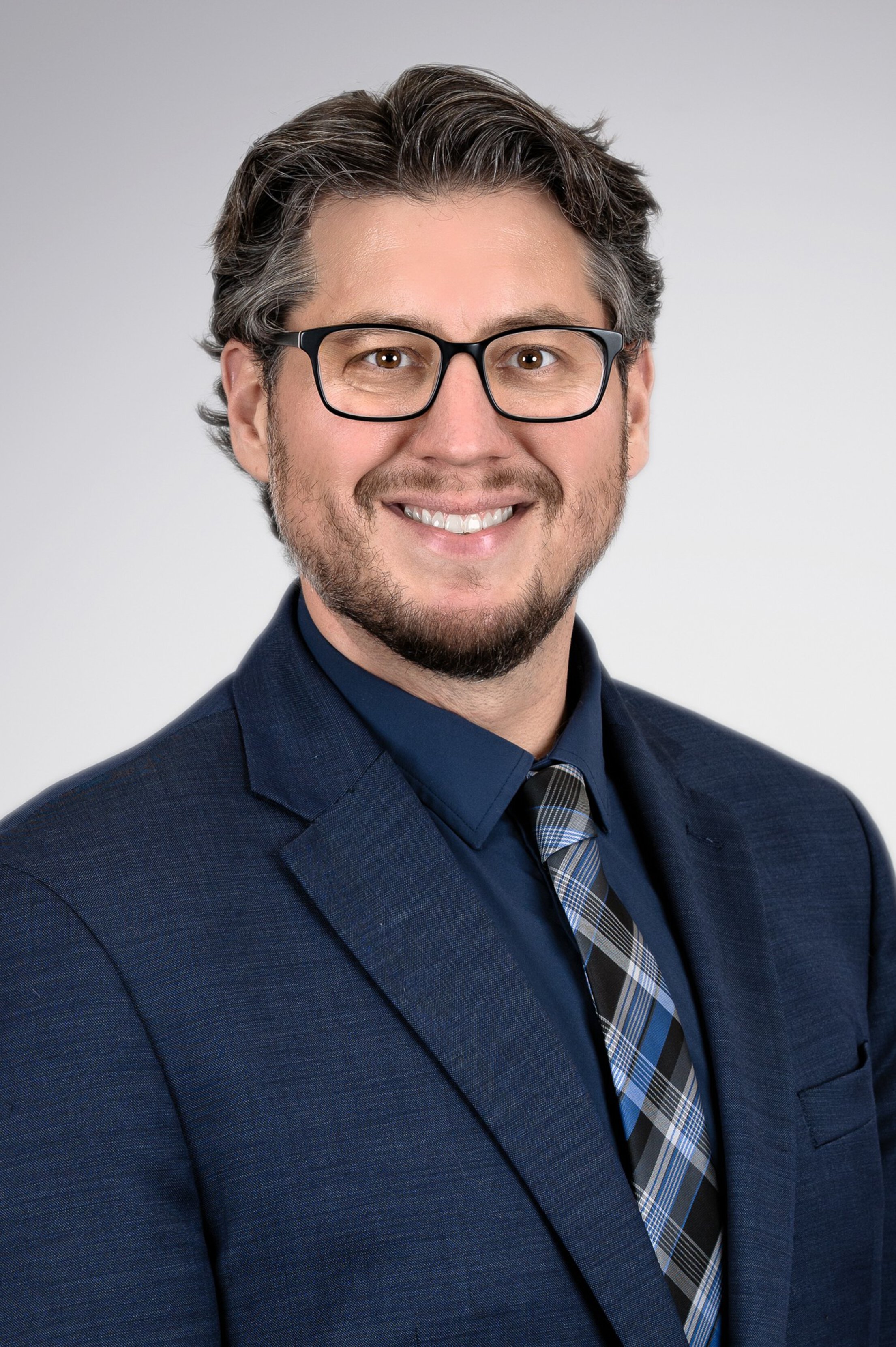
Adam Wise
Communications Manager, Center for Global Health
Recent Center for Global Health stories