
Before James "Mac" Segars, M.D., ever stepped foot into a classroom as a student at the Medical University of South Carolina (MUSC), he found himself in a room with two executive leaders from the University’s Center for Global Health.
Even now, more than a decade later, he’s not entirely sure how it all happened.
“I was just a med school applicant, I hadn’t even been accepted yet,” Segars said. “They just immediately took all this interest in me for reasons that I still don’t fully understand to this day other than they are just good people who like to develop interested students.”
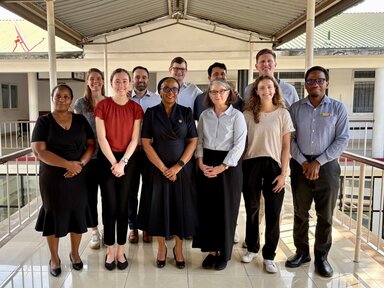
Those two leaders happened to be Kathleen Ellis, the center’s executive director, and Michael D. Sweat, Ph.D., the long-time faculty director of the center who retired earlier this year. It was 2015 and Segars was interviewing with medical schools to determine the next step in his education, prioritizing research into various centers for global health when he reached out to Ellis who helped arrange the meeting.
“From our very first meeting, it was clear that Mac had a genuine dedication to global health,” Ellis said. “He was not simply interested in global health in the abstract — he was already seeking ways to understand it deeply and engage with it thoughtfully. He brought the perspective of someone whose Peace Corps experience had deeply shaped him, and he approached every opportunity with humility, curiosity and purpose.”
Segars knew he wanted global health to be a key component of his medical school training but didn’t expect the level of support he would receive so quickly from the MUSC representatives.
“It meant a lot to me that they were willing to invest their time in me before I had even enrolled,” he said, “I was super impressed. When you get mentorship like that, it's incredibly unique. If I were talking to students today, I'd tell them MUSC has that strength in a way I wouldn't expect at many other places."
Finding his niche through meaningful mentorship
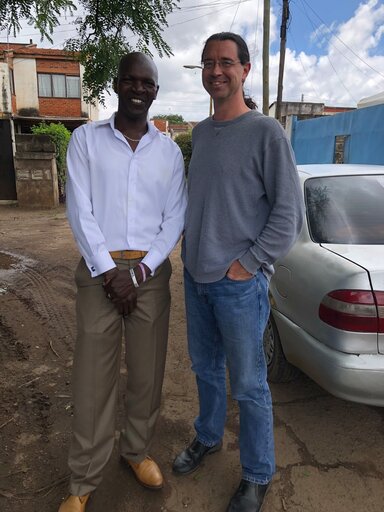
Segars arrived at MUSC 11 years ago with a strong interest in international health. Upon receiving his undergraduate degree, he joined the Peace Corps and spent more than two years in Mozambique as a math teacher. It was during his time in Africa that he discovered a love for medicine, volunteering at a clinic.
He learned some of the complexities and struggles that present in such places when access to basic patient care can include hours-long car rides through difficult infrastructure just to reach a nurse and a doctor.
“It was before I had any clinical training myself, so it was just really observational, but in a very small town,” he said.
It meant a lot to me that they were willing to invest their time in me before I had even enrolled. I was super impressed. When you get mentorship like that, it's incredibly unique.
Upon enrollment to MUSC, the relationship he’d already started to foster with the Center for Global Health paid off. Throughout medical school, mentors encouraged Segars to pursue international experiences, introduced him to collaborators and helped him navigate a path that blended pediatrics and emergency medicine, his passions, with global health.
“They went out of their way for me,” Segars said of his mentors. “When there was a panel, they looked for ways to have me become involved; when there were visitors from other universities, they invited me to dinners with them – they just really went above and beyond to help develop me.”
One other such mentor was COM Professor Andrea P. Summer, M.D. Even though years have passed since he left campus, Summers quickly remembered a standout Segars, whom she first met in her Introduction to Global Health course.
"Mac was one of those students whose passion for global health was immediately evident,” she said. “He was an extremely knowledgeable and engaged student with a genuine desire to deepen his understanding of the field. He took the initiative to build meaningful professional connections and expand his experience beyond the classroom. His commitment to serving vulnerable populations made it clear that global health was more than an academic interest—it was a calling."
According to Ellis, Segars never waited for opportunities to come to him. Instead, he actively pursued experiences that deepened his understanding of global health throughout medical school.
“It has been a true pleasure to stay in touch over the years and watch his path come full circle, from his early interest in global health and experience in Africa,” she said, “to his continued work as a physician focused on improving care in underserved communities in the U.S. and abroad.”
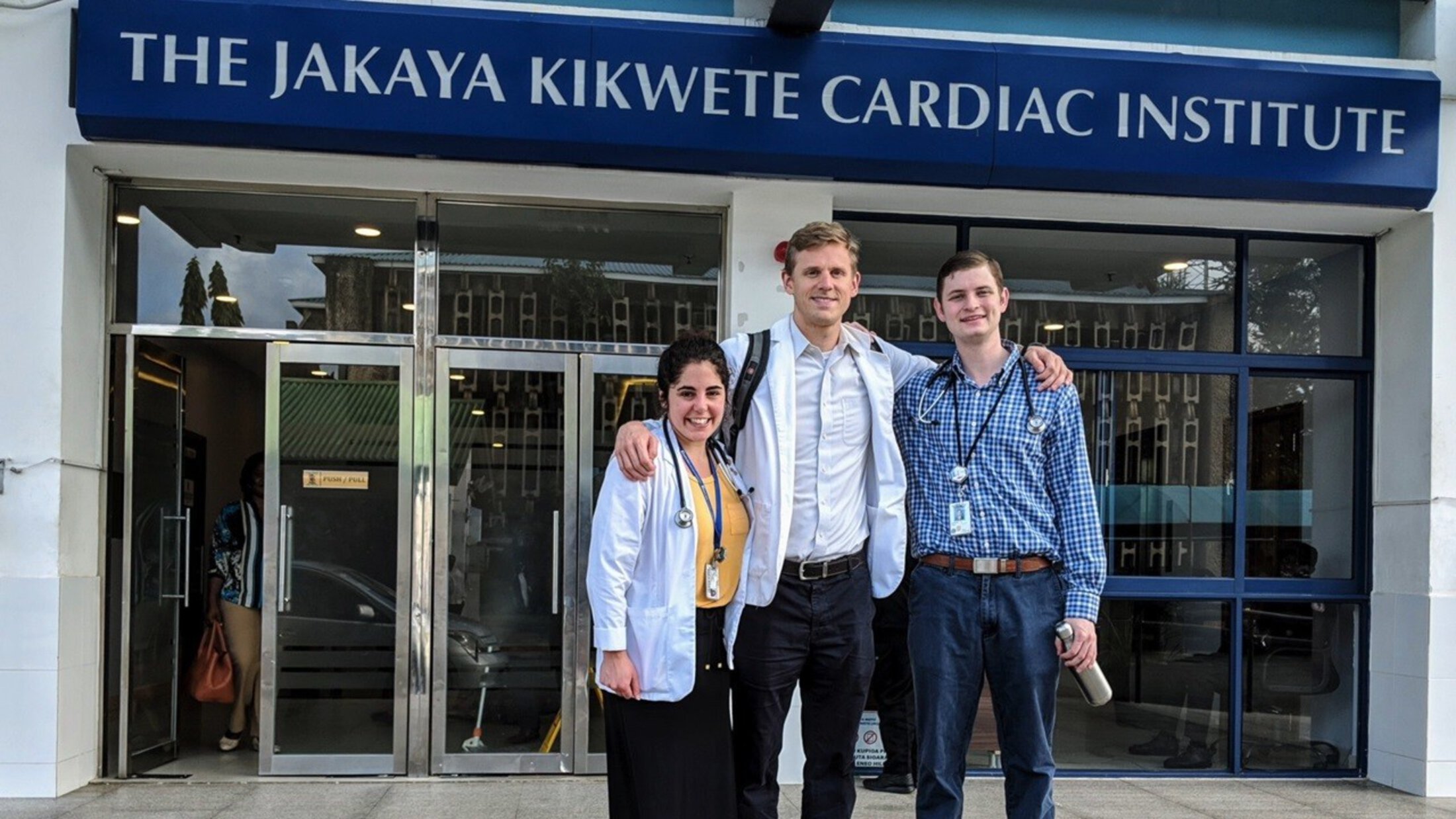
In 2019, Segars traveled with a pair of other MUSC students to Tanzania as part of a College of Medicine global health elective, completing a month-long clinical rotation at Muhimbili National Hospital in Dar es Salaam.
“This experience was very different than what I did in the Peace Corps,” Segars said shortly upon returning from that trip. “The largest goal for me was to get more of an understanding from the public and global health perspective – how a patient presentation is different, what sort of technologies are available for diagnosis and what barriers are there for seeking treatment and what options are available for patient care,” he said at the time.
That early exposure to clinical systems abroad would later help shape a research agenda focused on emergency care access, patient transportation and the practical barriers patients face when moving through health systems.
Post-graduation research expands
After graduating from MUSC in 2019, Segars completed a pediatrics residency at the University of North Carolina before pursuing a fellowship in pediatric emergency medicine at Cincinnati Children's Hospital Medical Center.
"I get to see very healthy kids with a runny nose and joke with them and reassure their parents," he said. "Then, moments later, I may be caring for a critically ill child. I enjoy being the first physician to evaluate someone and solve the immediate problem in front of me."
Additionally, his global health portfolio has continued to expand.
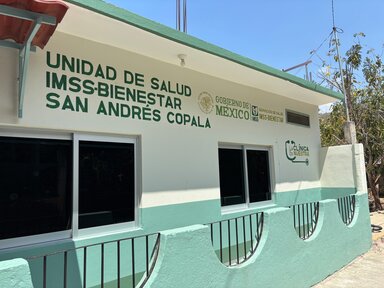
His fellowship allowed him to travel to Mozambican cities of Maputo and Beira where he got to see firsthand the challenges and ways locals were overcoming patient access via a modernized ambulance system.
“They had a dispatch system with a really organized structure for triaging patients in terms of acuity,” he said, distinguishing it from the norm he’d previously experienced in-country. “They had a real-time GPS system where they could dispatch the nearest ambulance to wherever a patient was to then bring them to the hospital. They did a very good job of using a limited number of ambulances to rapidly transfer patients based on their severity to create a hierarchy of who needs to go first and how can we get them there the fastest.”
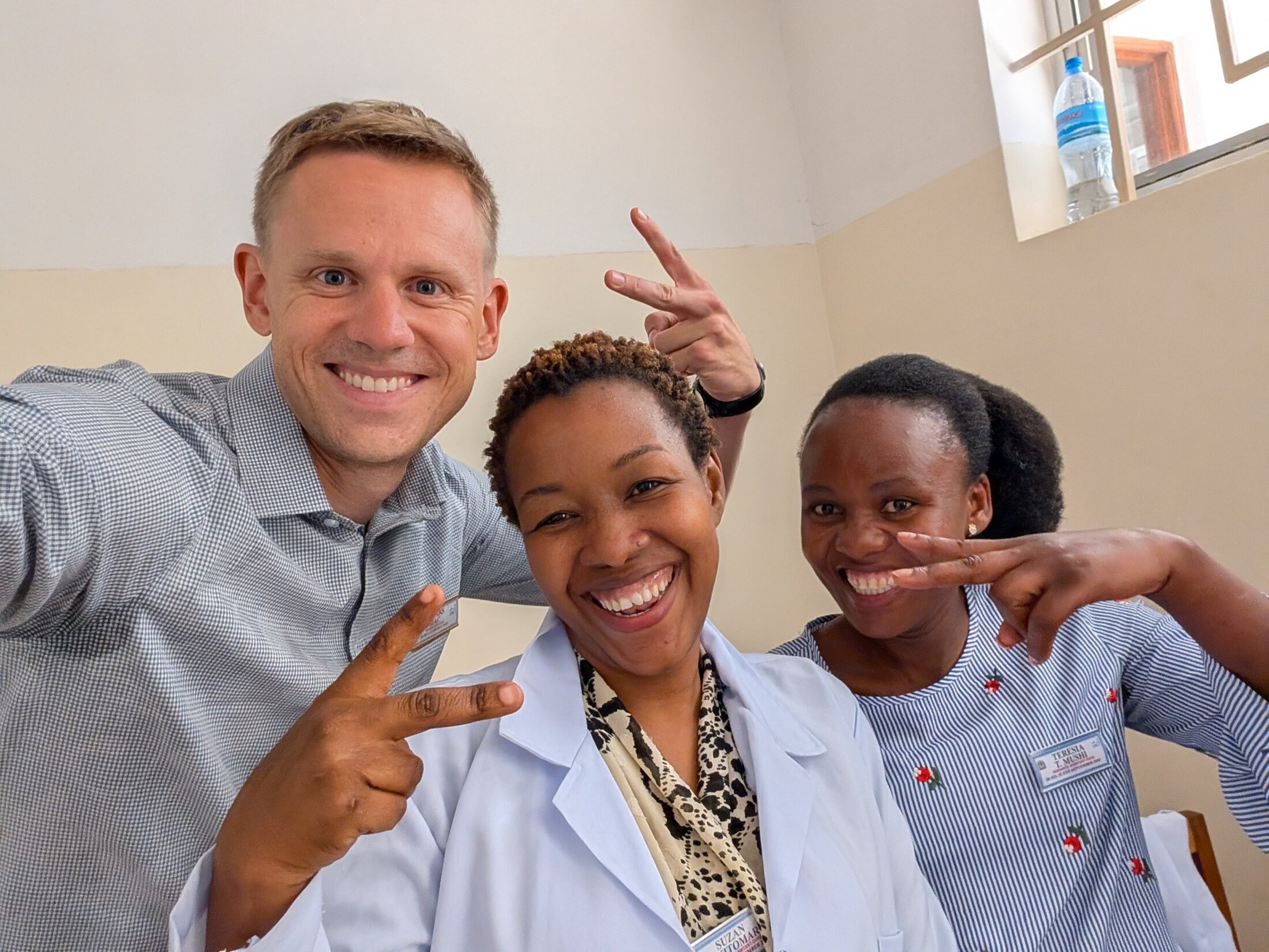
His latest achievement placed him back in Tanzania. Segars spent 10 months in Moshi, the capital of the Kilimanjaro region of the country, through a training grant from the Fogarty International Center, which is part of the National Institutes of Health and seeks to train the next generation of scientists from the U.S. His work continued to focus on patient access in the incredibly difficult landscape that presents in the east African country.
“Part of what I'm looking at is the ambulance transfer system,” he said. “If you get injured there, like in a car wreck, there is no 911 that you can call that's going to come to the site of the injury, you have to find your own way to the first clinic.”
Segars said that often it’s a good Samaritan who is flagged down to assist with the initial prehospital transfer. Upon arrival, a patient’s injuries are assessed before next steps in care and a referral destination, as necessary, are determined. If ambulance transport is required, patients are accompanied by medical escorts, typically nurses, who typically have no training specific to ambulance care.
Segars is studying the quality of patient monitoring and availability of life-saving emergency resources on ambulances as well as the pain management that occurs before and during ambulance transport. Segars, who is back stateside from his trip, is using these preliminary data to inform the second phase of the work, which is interview referring doctors and medical escorts about perceived barriers to optimal care. Together, these findings aim to inform targeted health system interventions to address gaps in care.
As with any clinician or researcher conducting work abroad, Segars is unsure of the impact his work will have, but he hopes the work will leave a mark and continue the long journey of improving patient outcomes in Tanzania.
“When we bring problems to light, then we can have some serious conversations about improving how things are done and in creating standards,” he said. “What is the role of the medical escort during transportation? What sort of clinical decisions are we comfortable with the escorts making if they don’t have the direct supervision of a doctor? These and other questions are much easier to discuss once we have some framework for what is currently happening.”
Segars is eager to bring his work to fruition and hopes some recommendations will make a difference for patients in Tanzania.
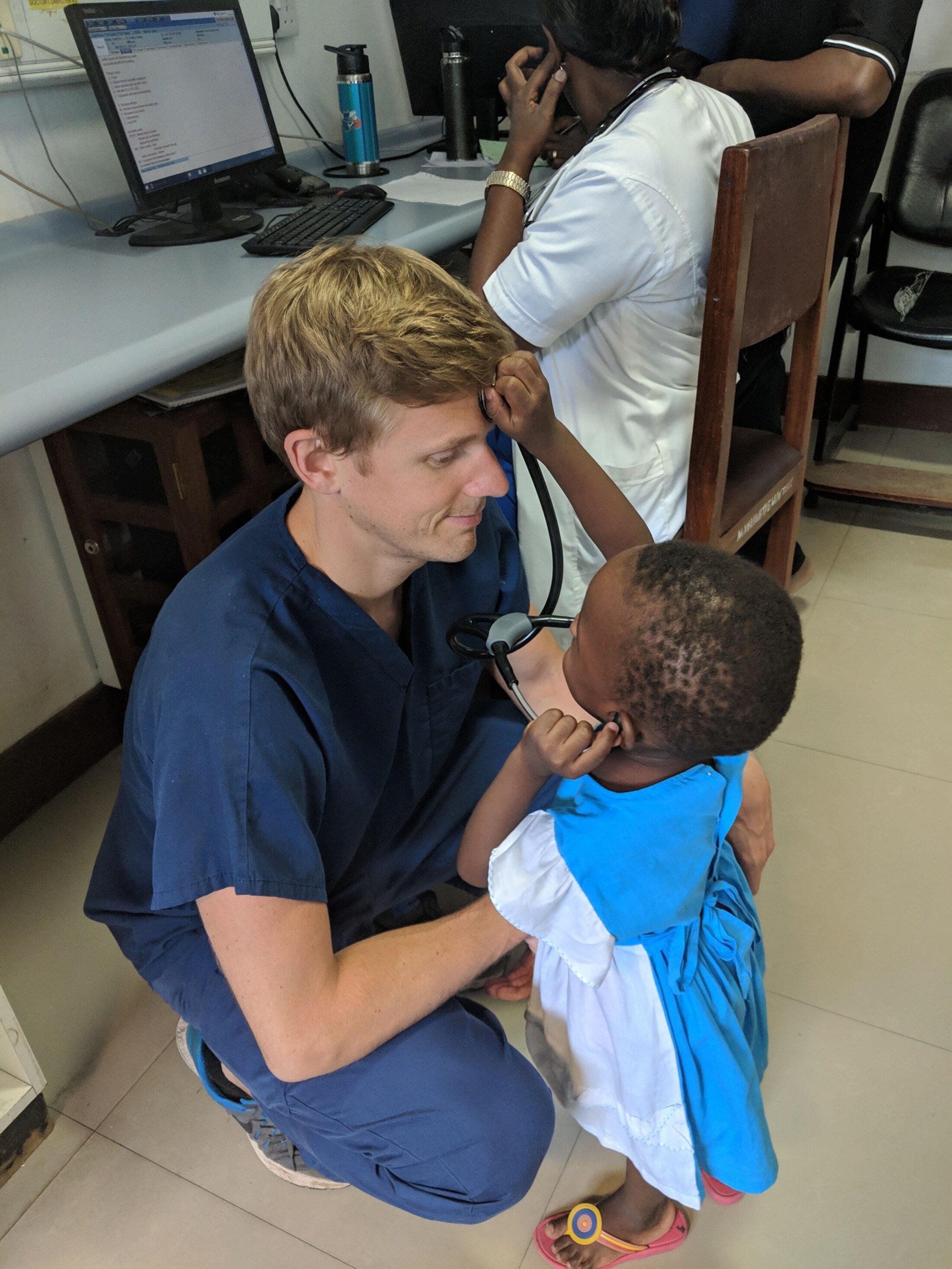
A global health rotation in Tanzania helped shape James “Mac” Segars’ career. Discover how his Peace Corps service led him to medicine and research.
The long and winding road
Now having returned stateside to Charlotte, N.C., having recently accepted a role as attending physician at Atrium Health Levine Children’s Hospital, much time has passed for Segars since those four years as a MUSC student. He’s very pleased to reminisce and recount experiences of those who played crucial roles in his professional development.
For someone who began his post-college journey teaching arithmetic abroad, Segars implored current and prospective MUSC students to remain open-minded and seek challenges during their training.
"During my fellowship, I emailed 100 different people and 99 didn't work out, but one did," Segars said. "You have to put yourself out there and be willing to put in the time and effort to find the experience that's going to lead your career in the right direction."
“I’ll always be thankful for the leaders and staff at the Center for Global Health.”
Adam Wise
Communications Manager, Center for Global Health
Recent Center for Global Health stories